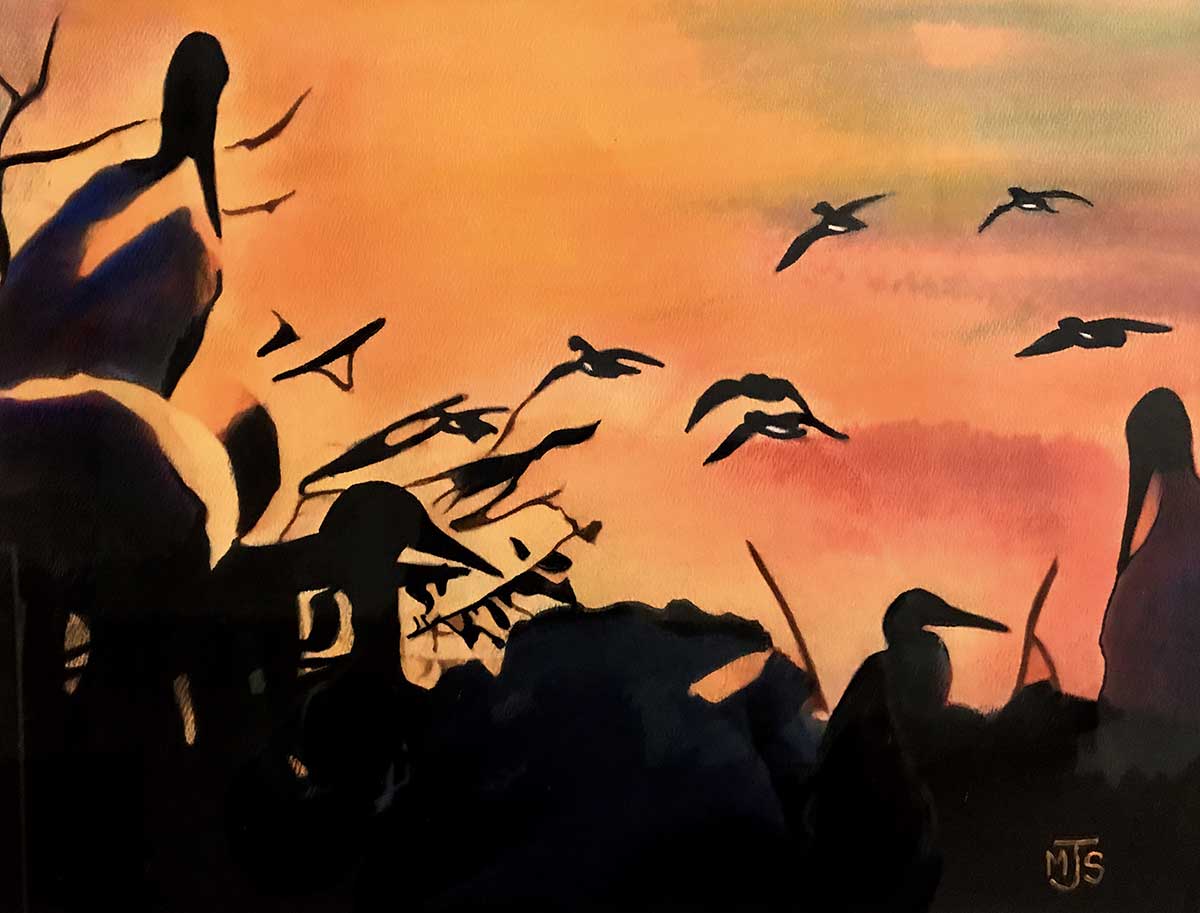
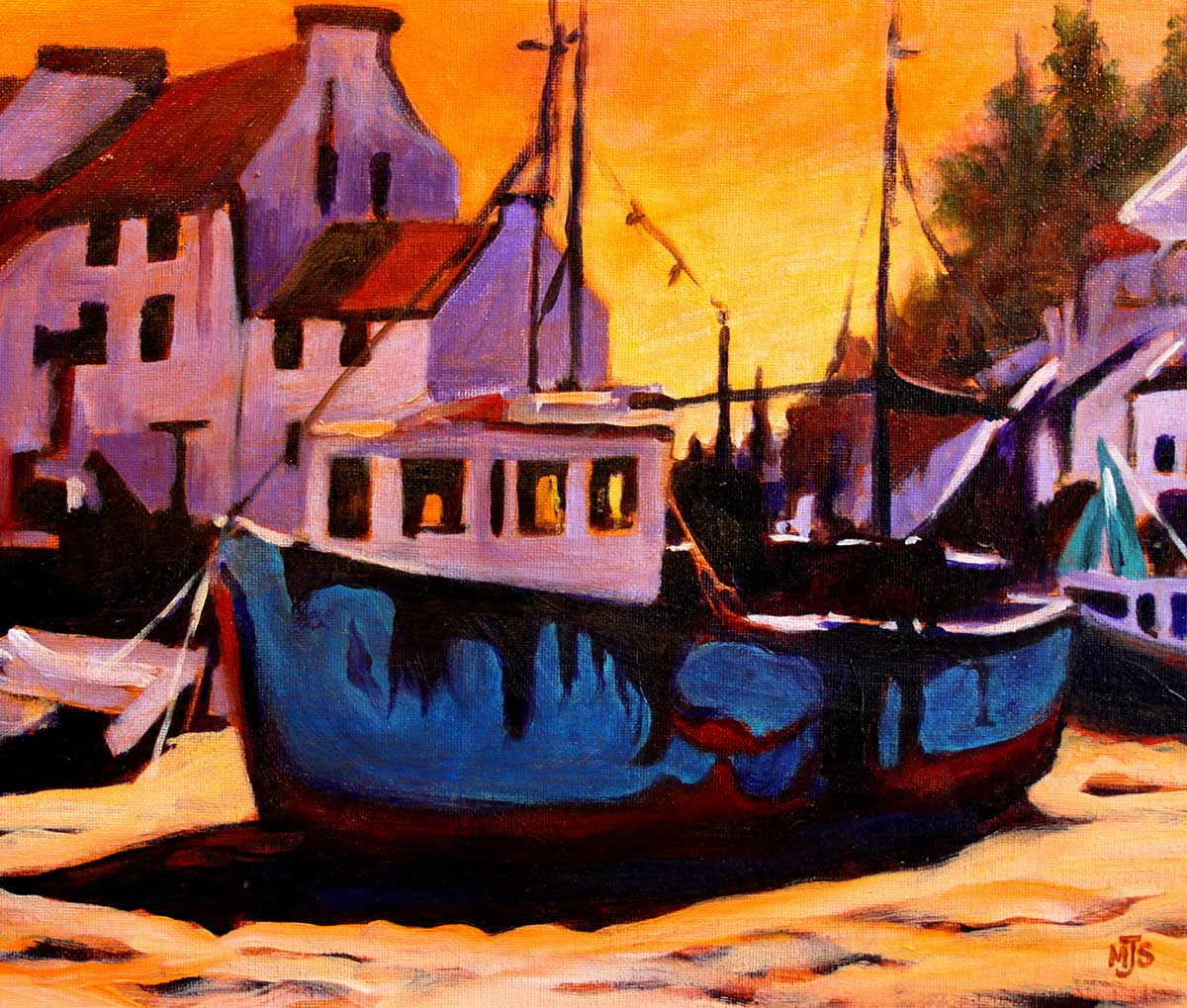
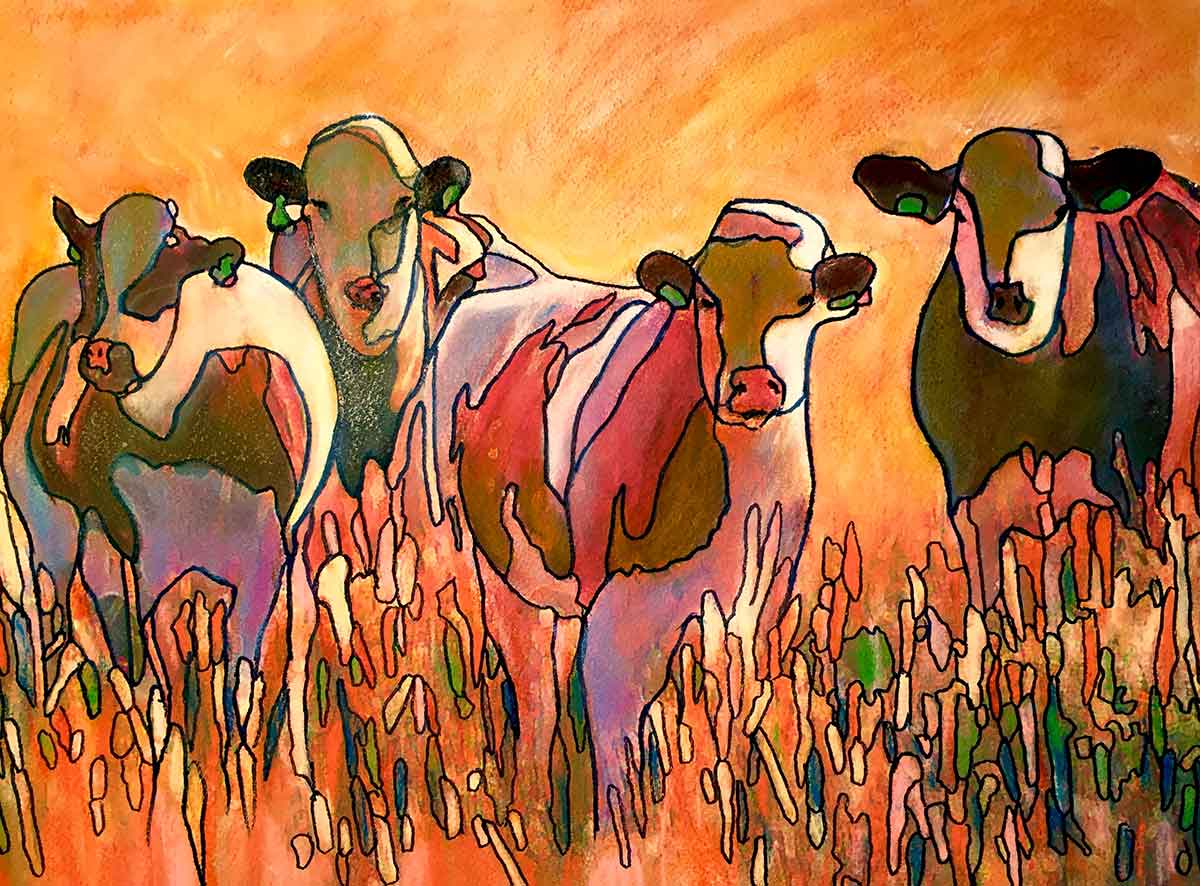
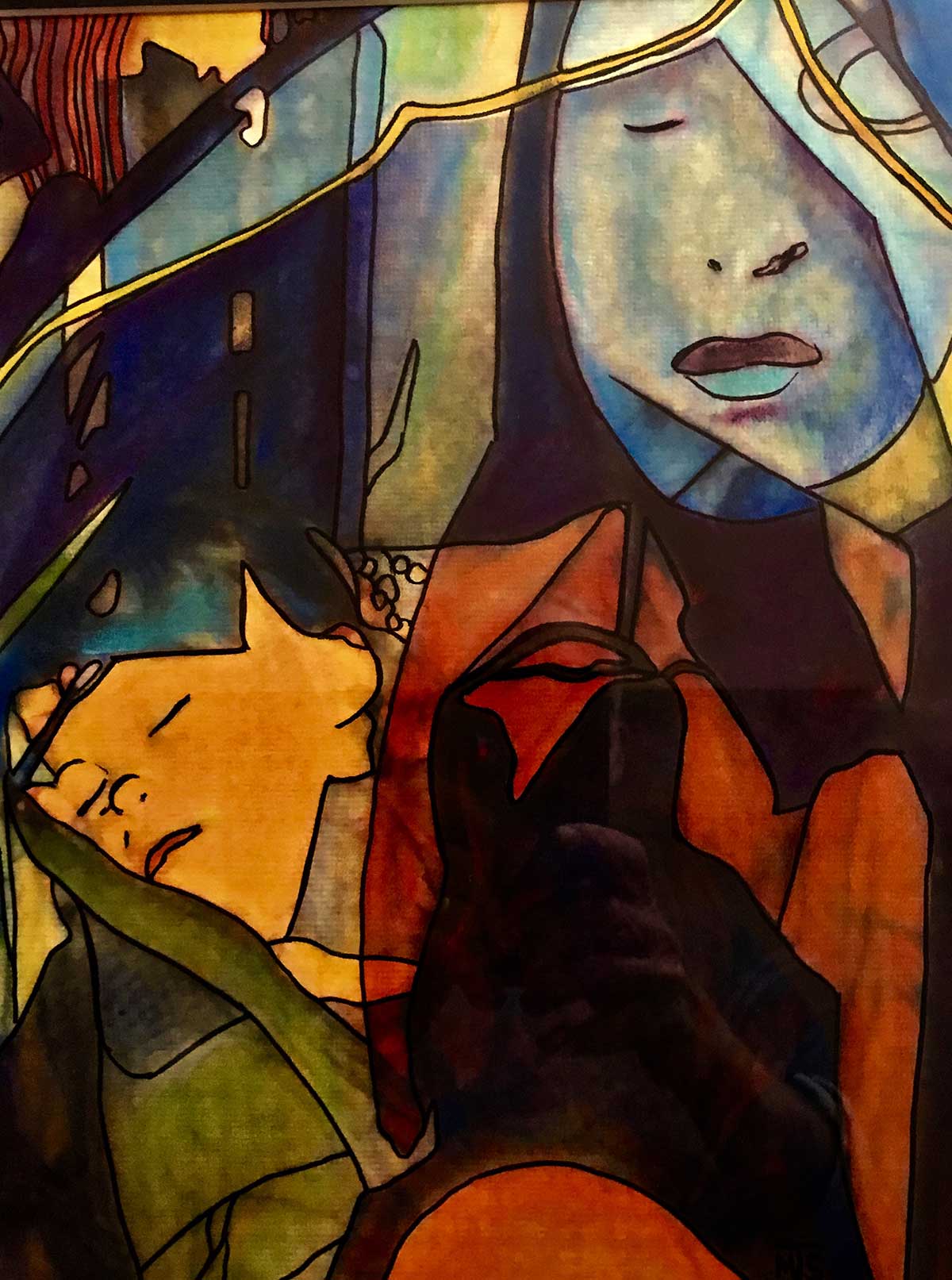
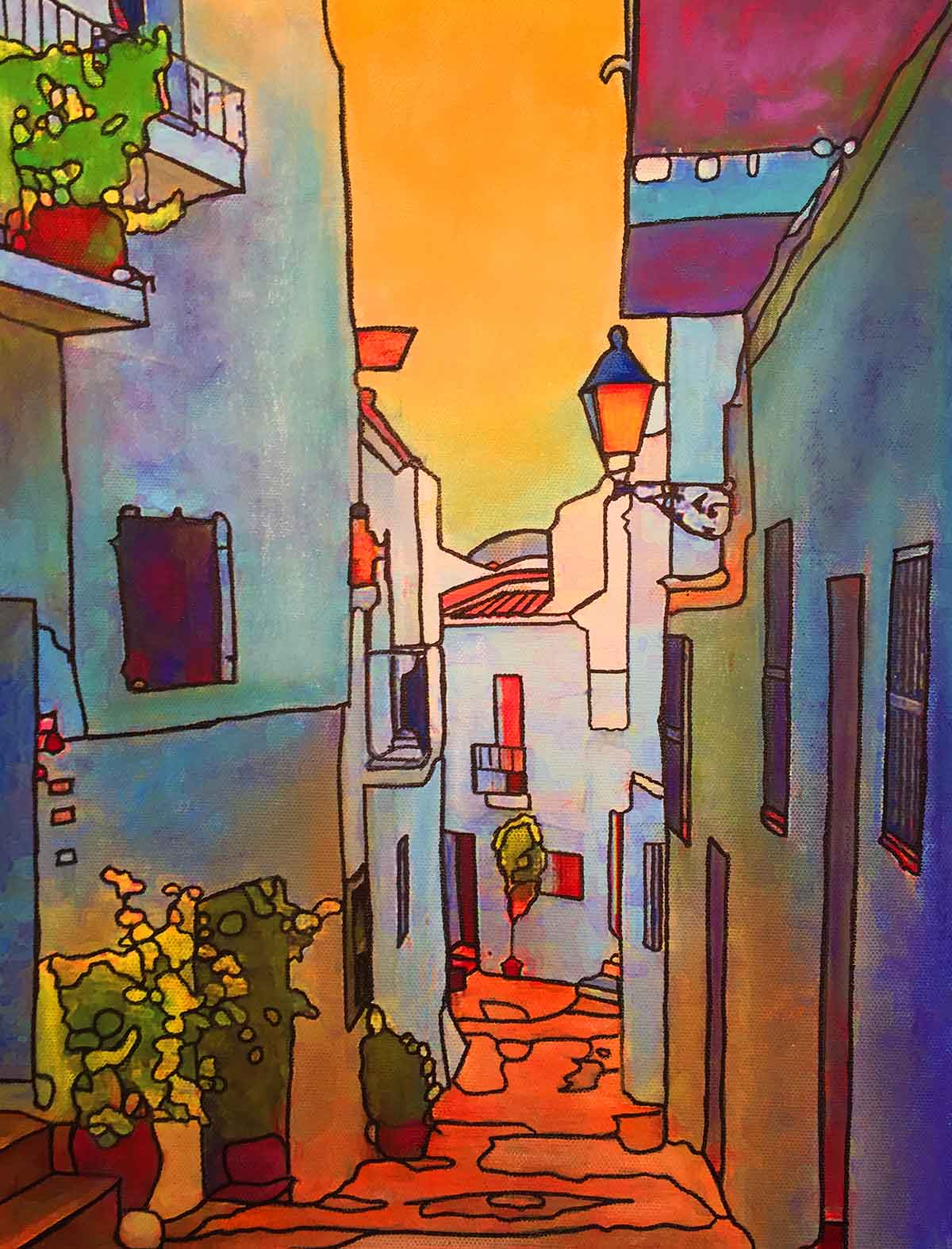
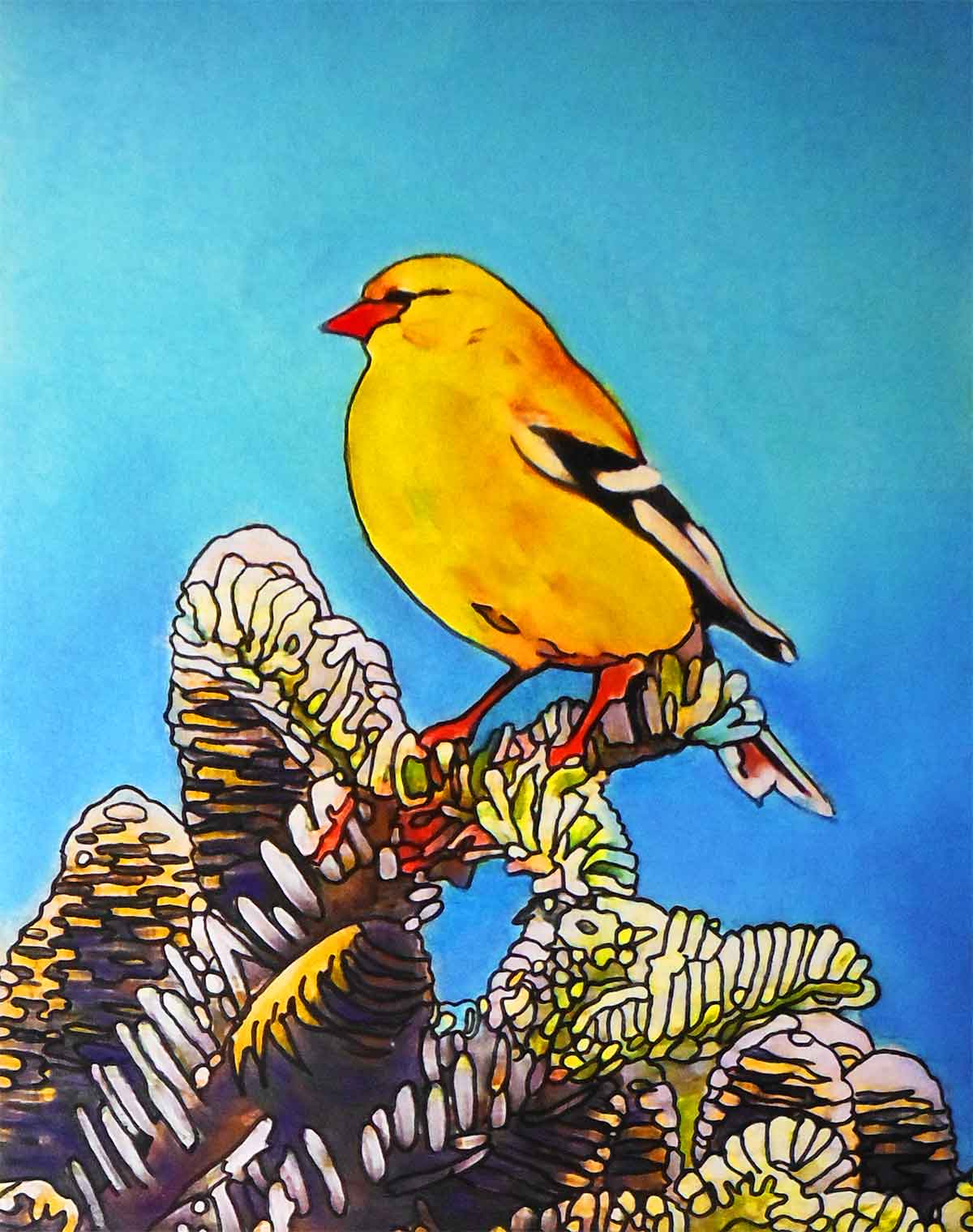
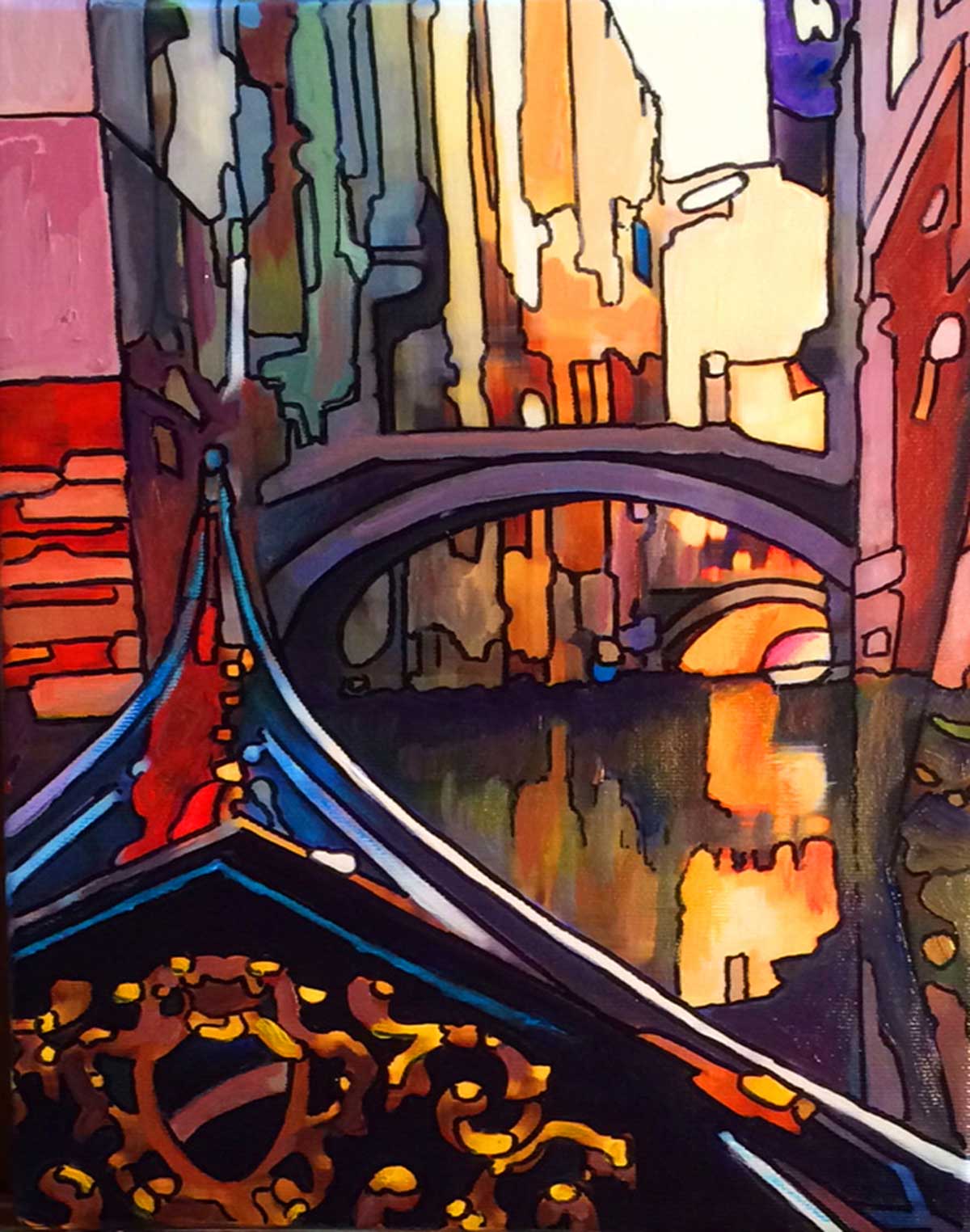
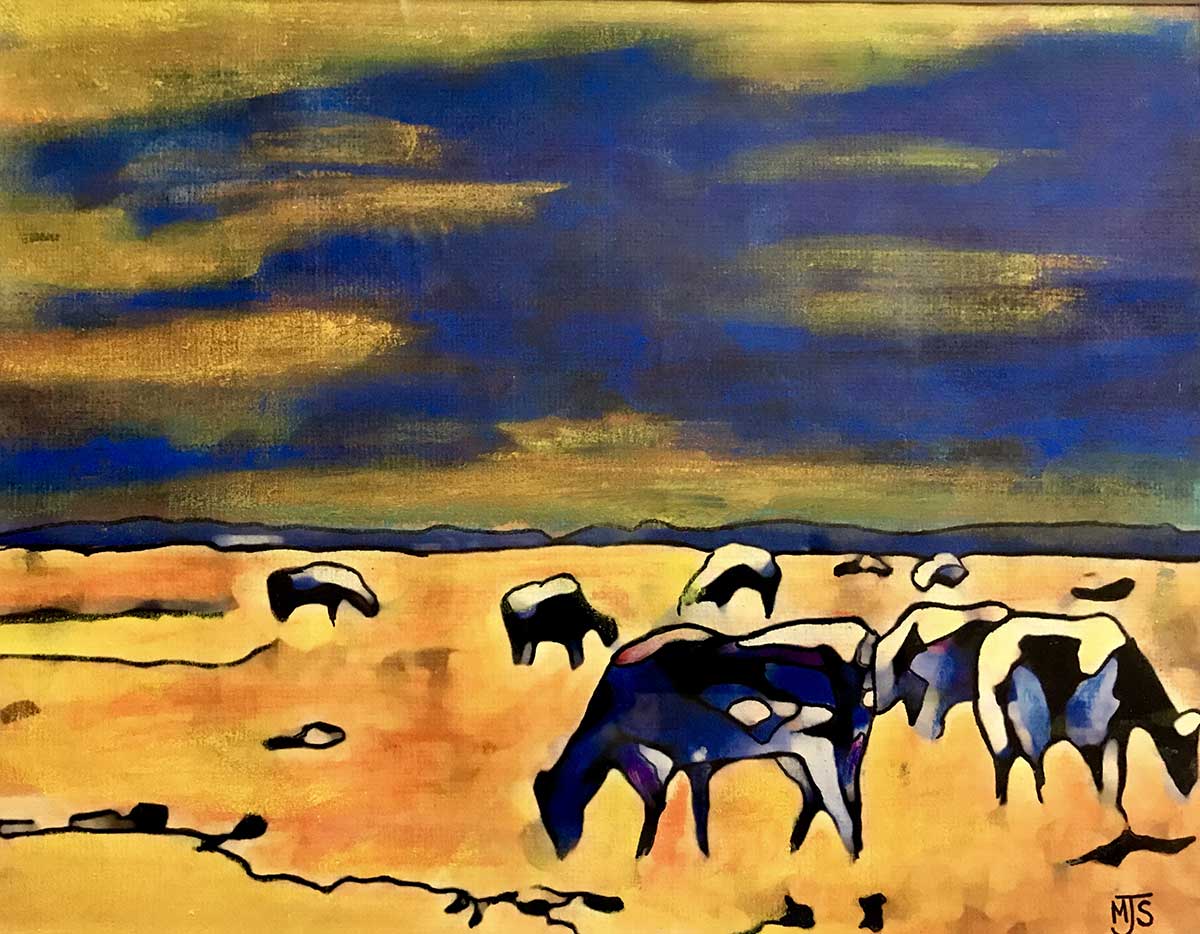
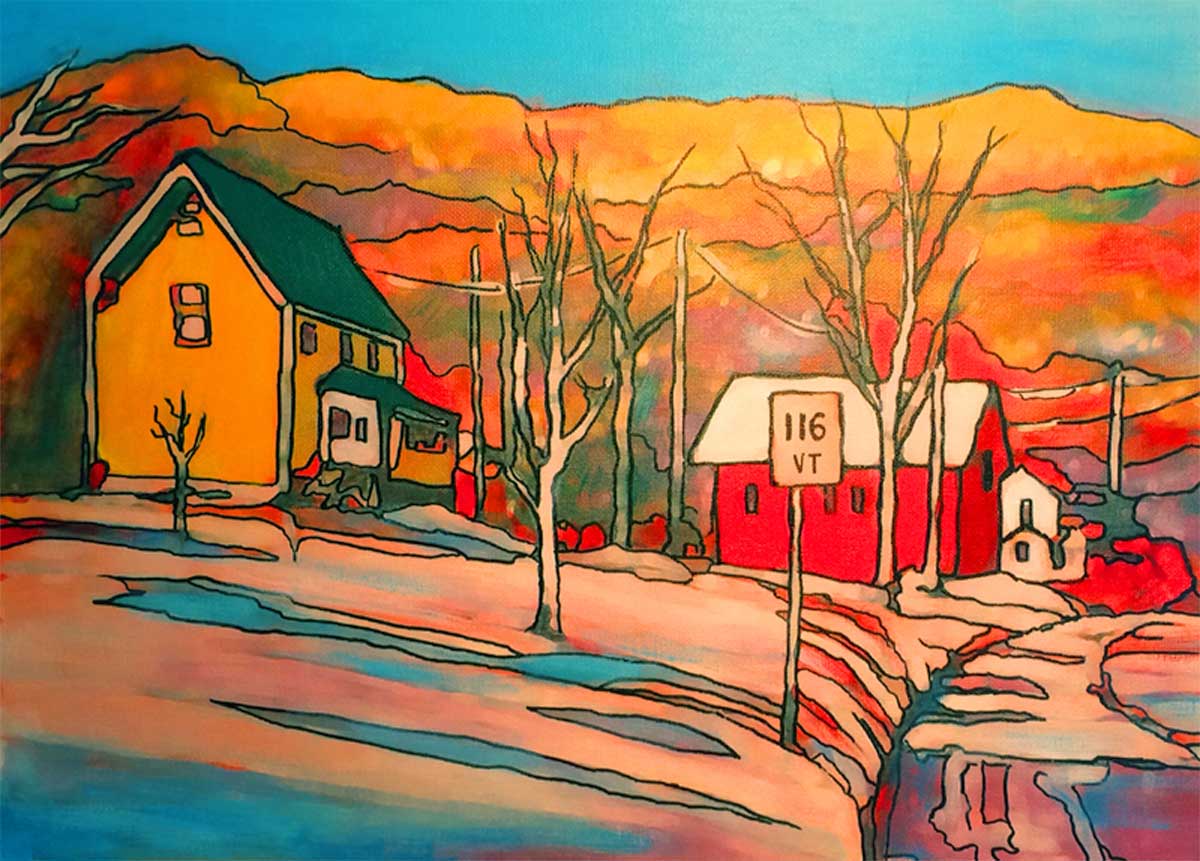
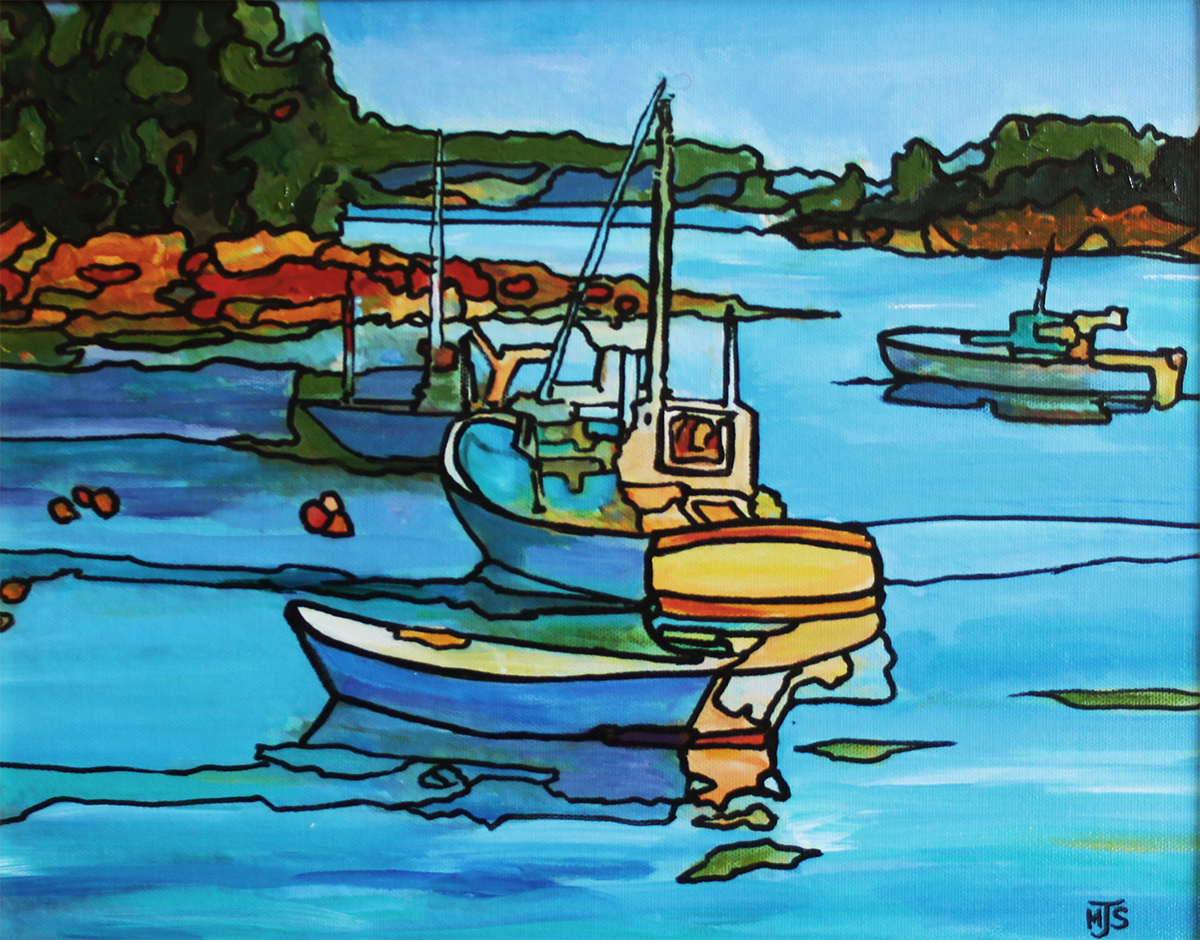
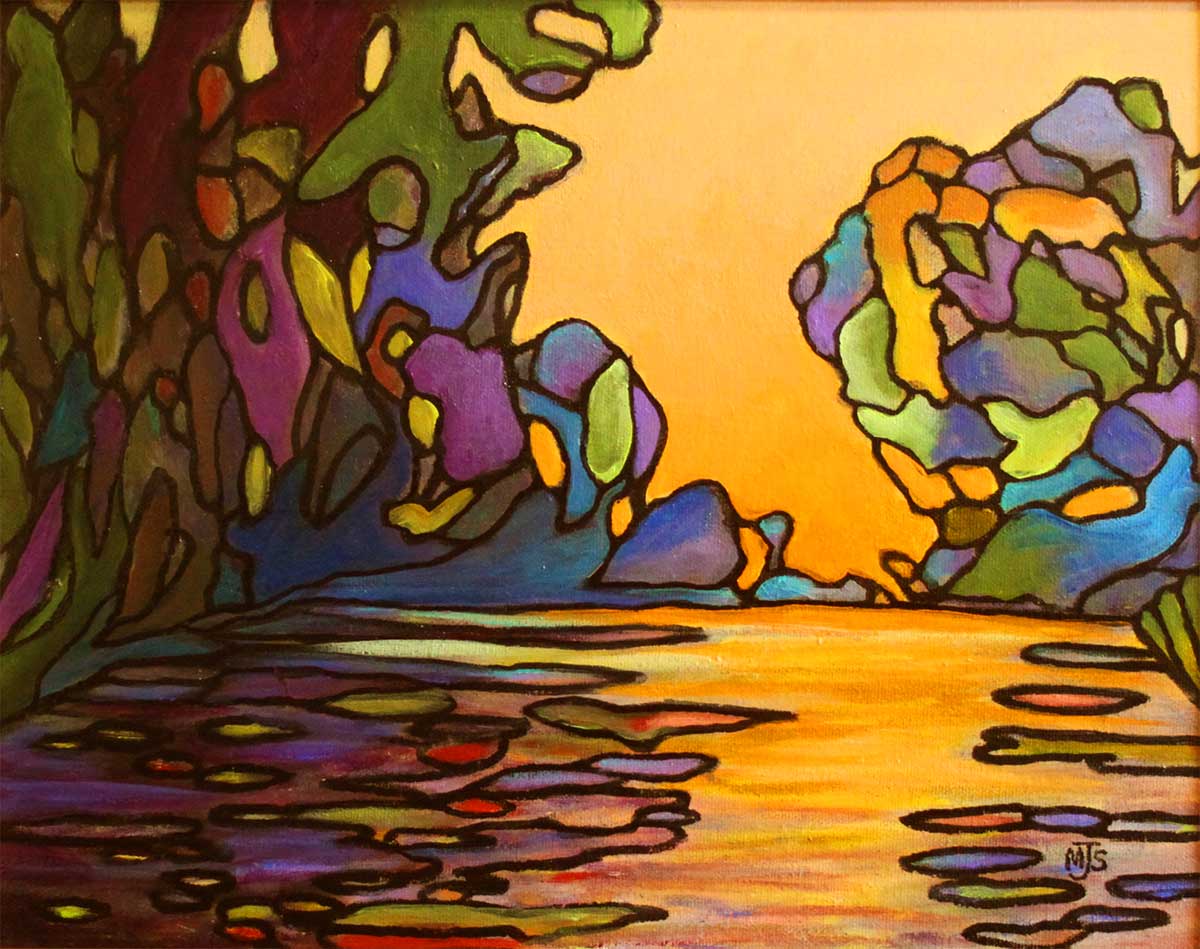
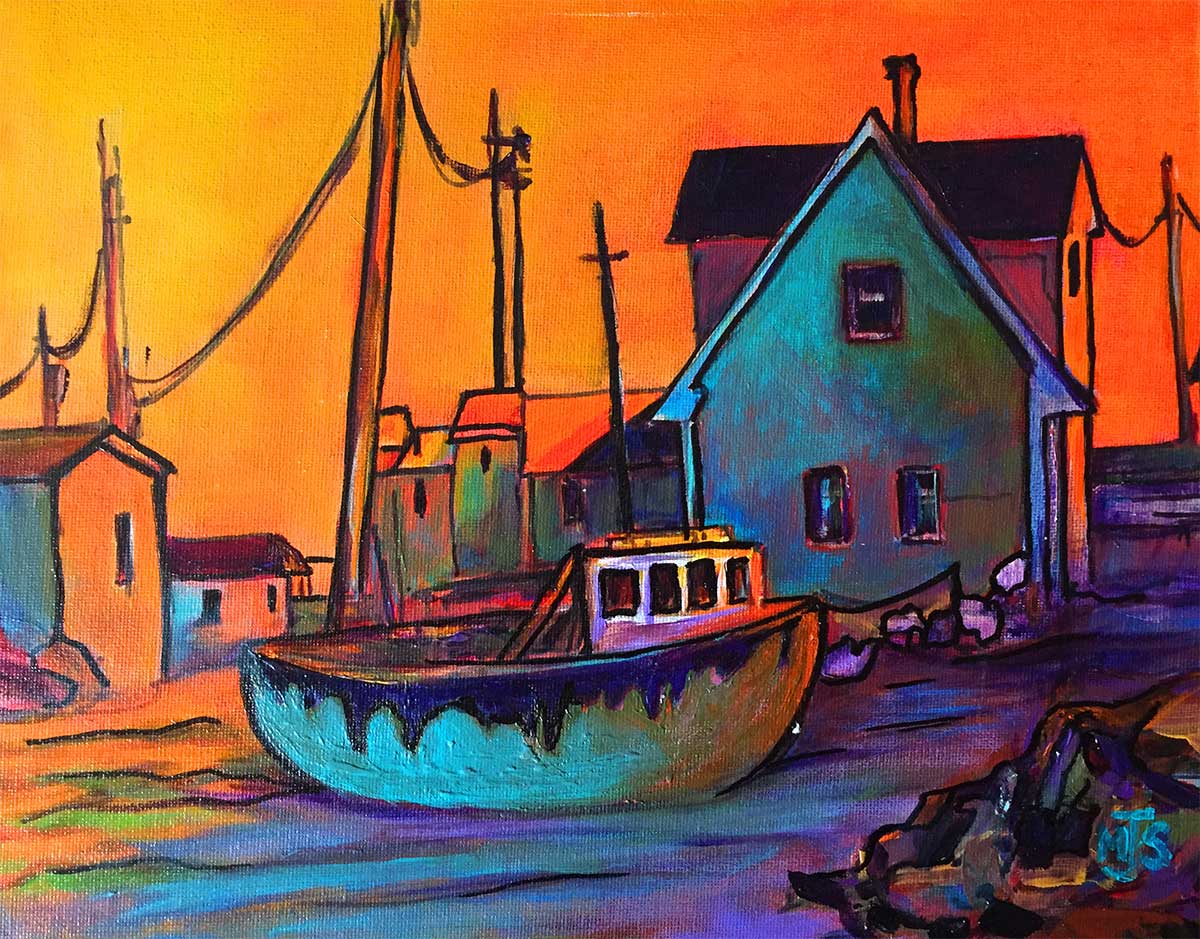
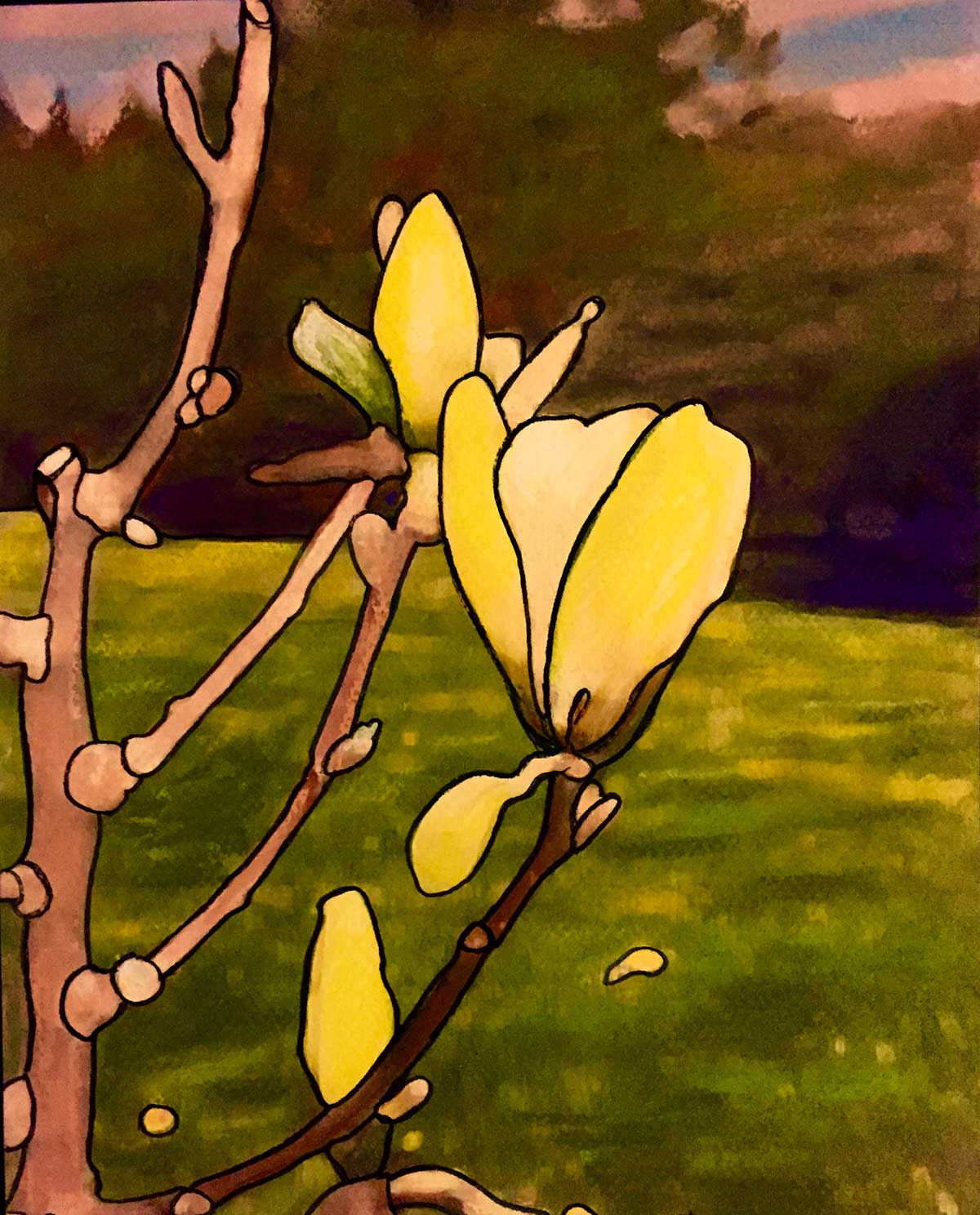
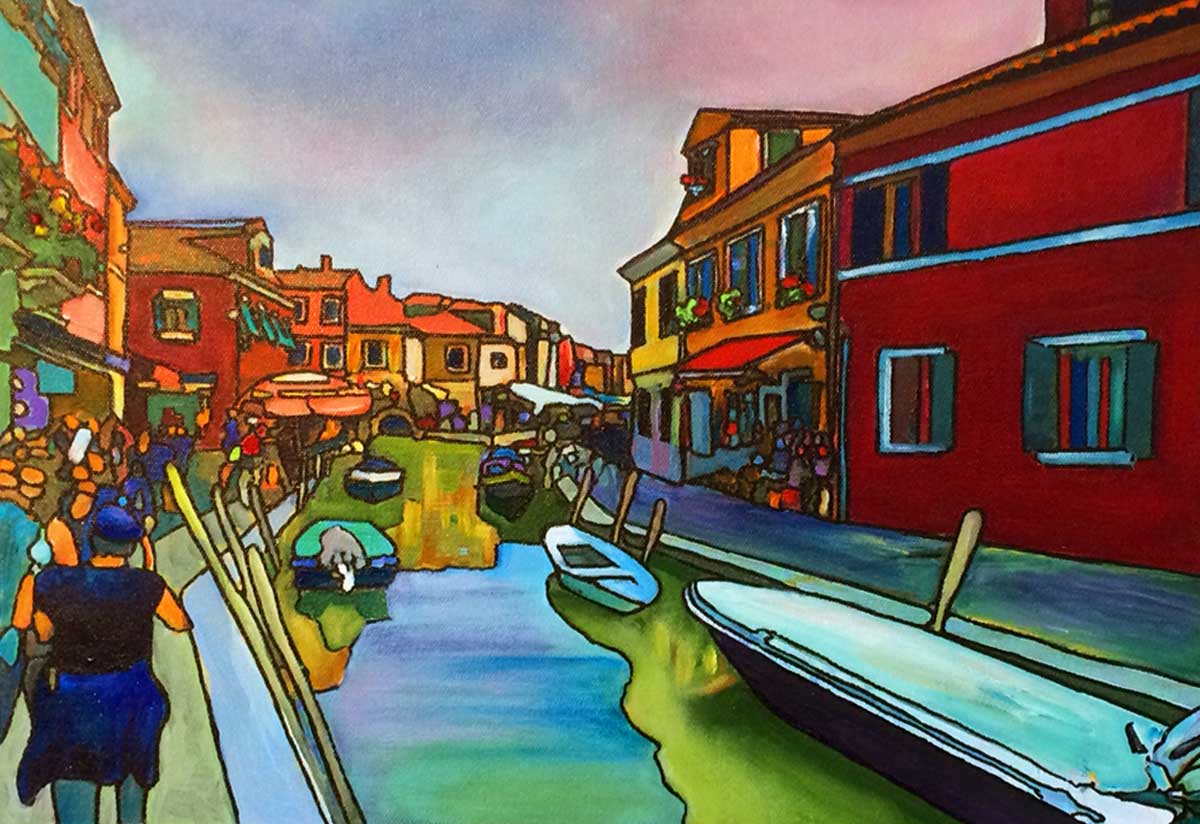
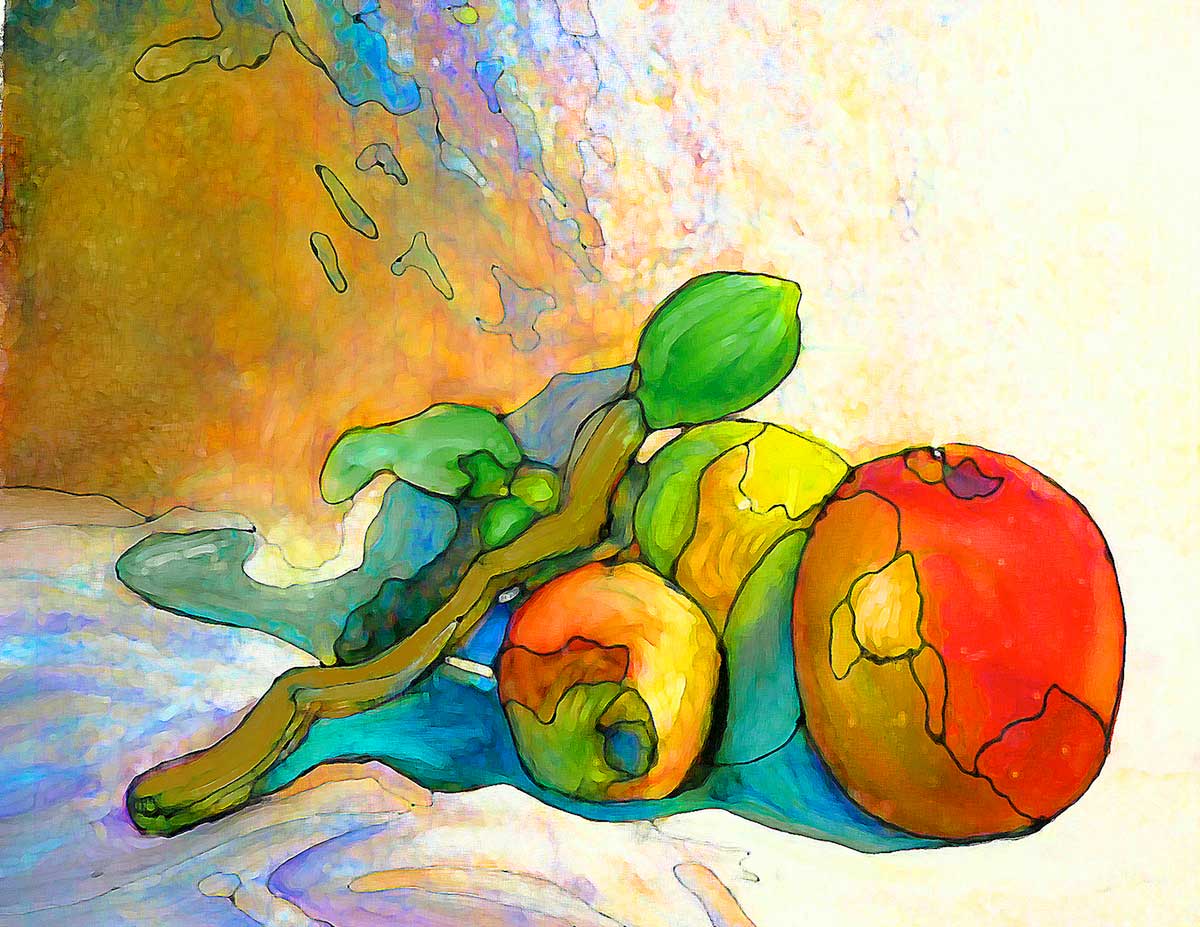
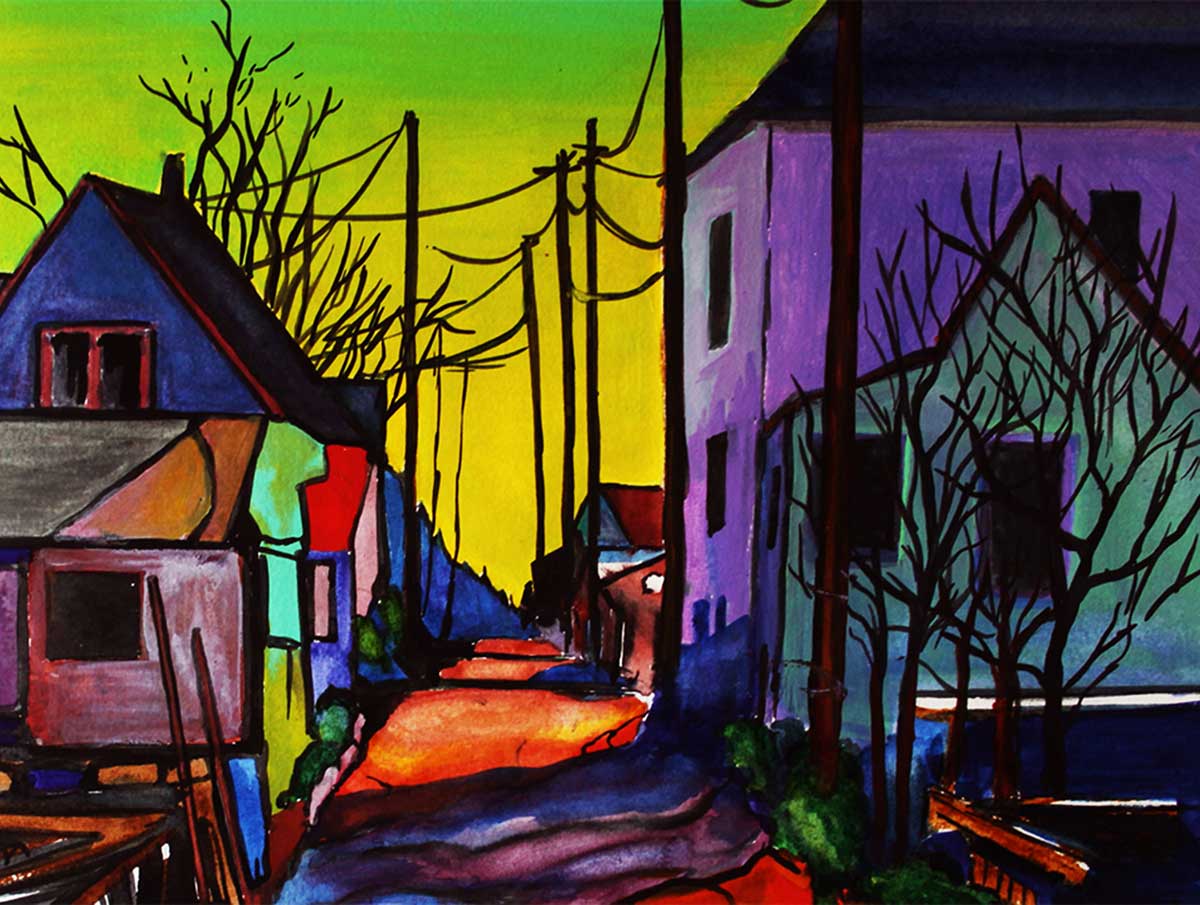
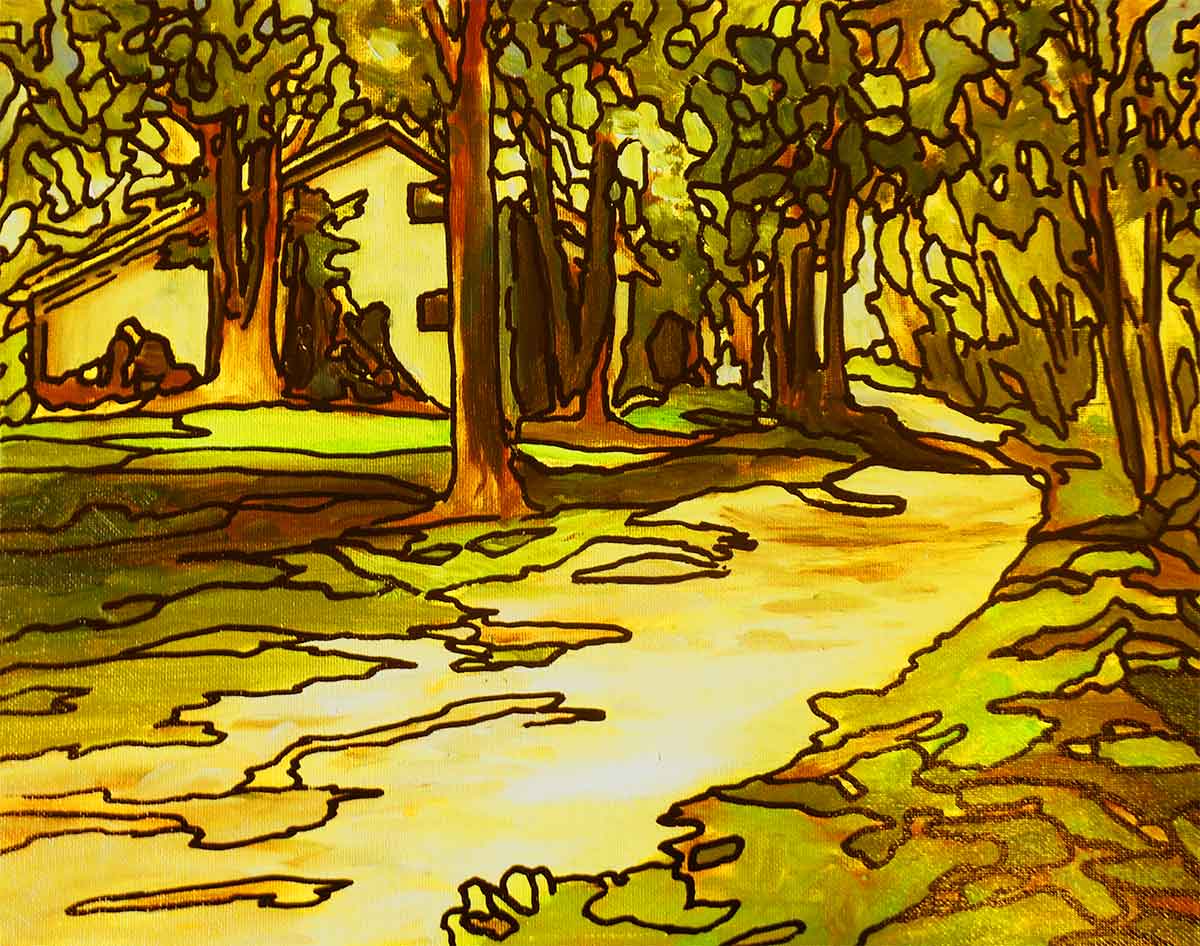
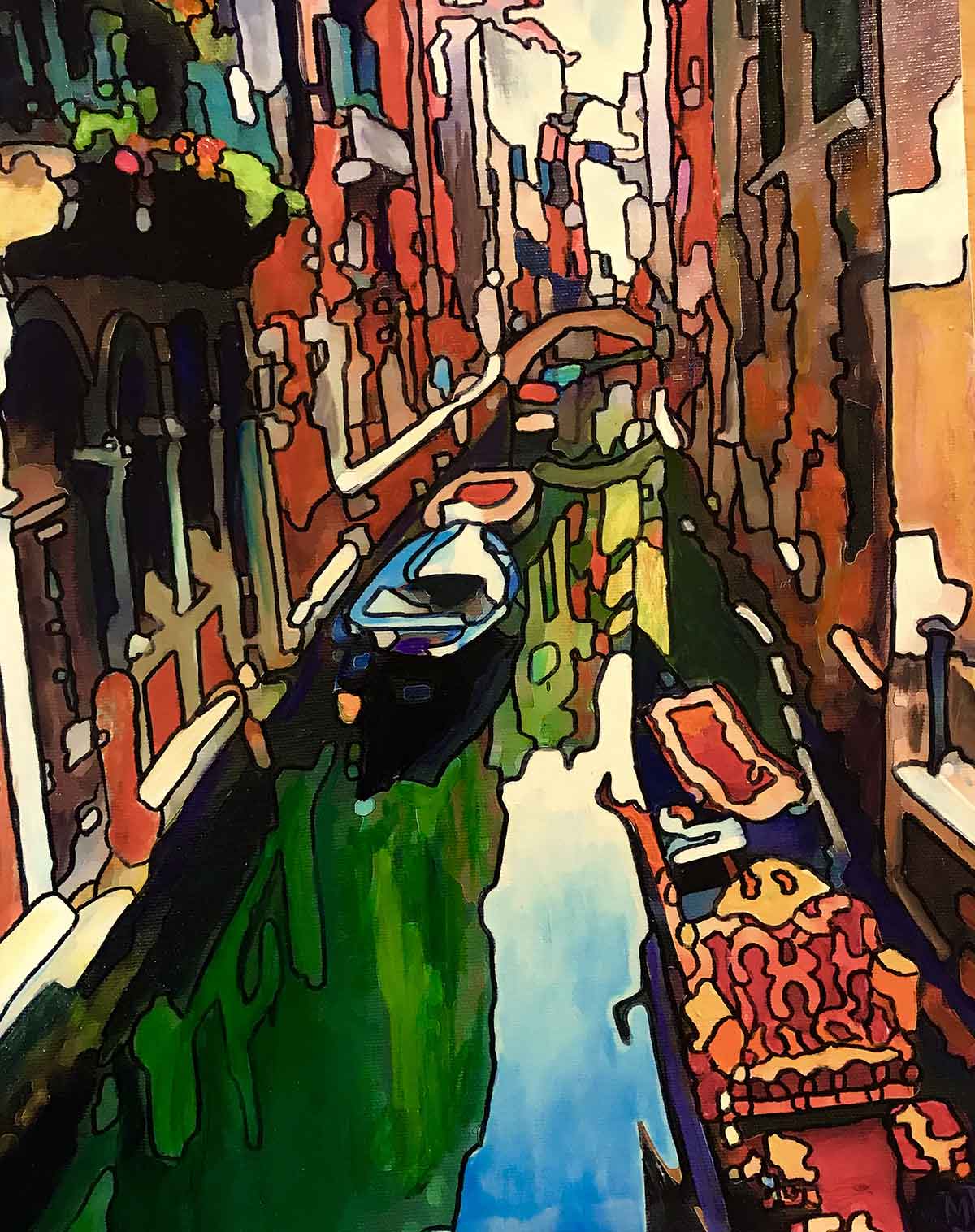
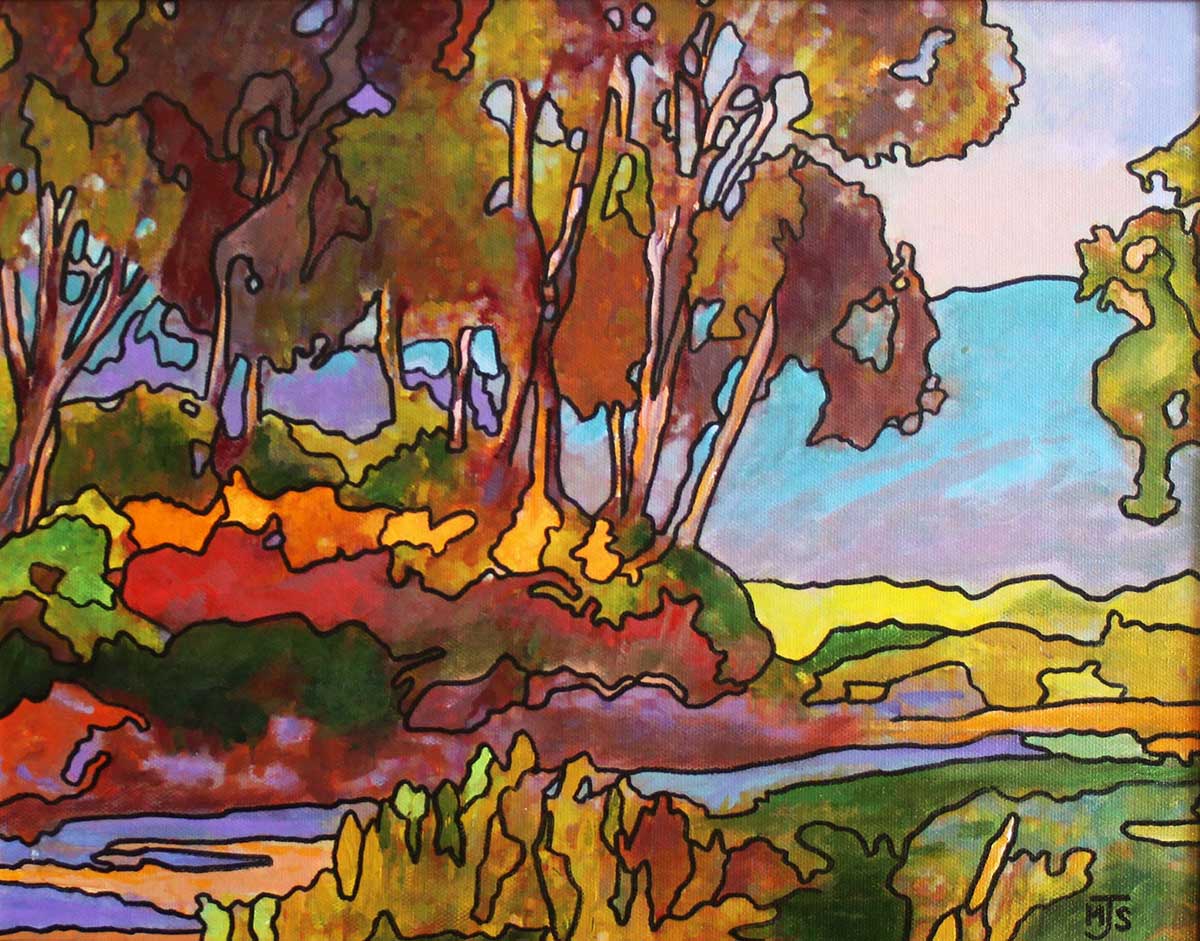
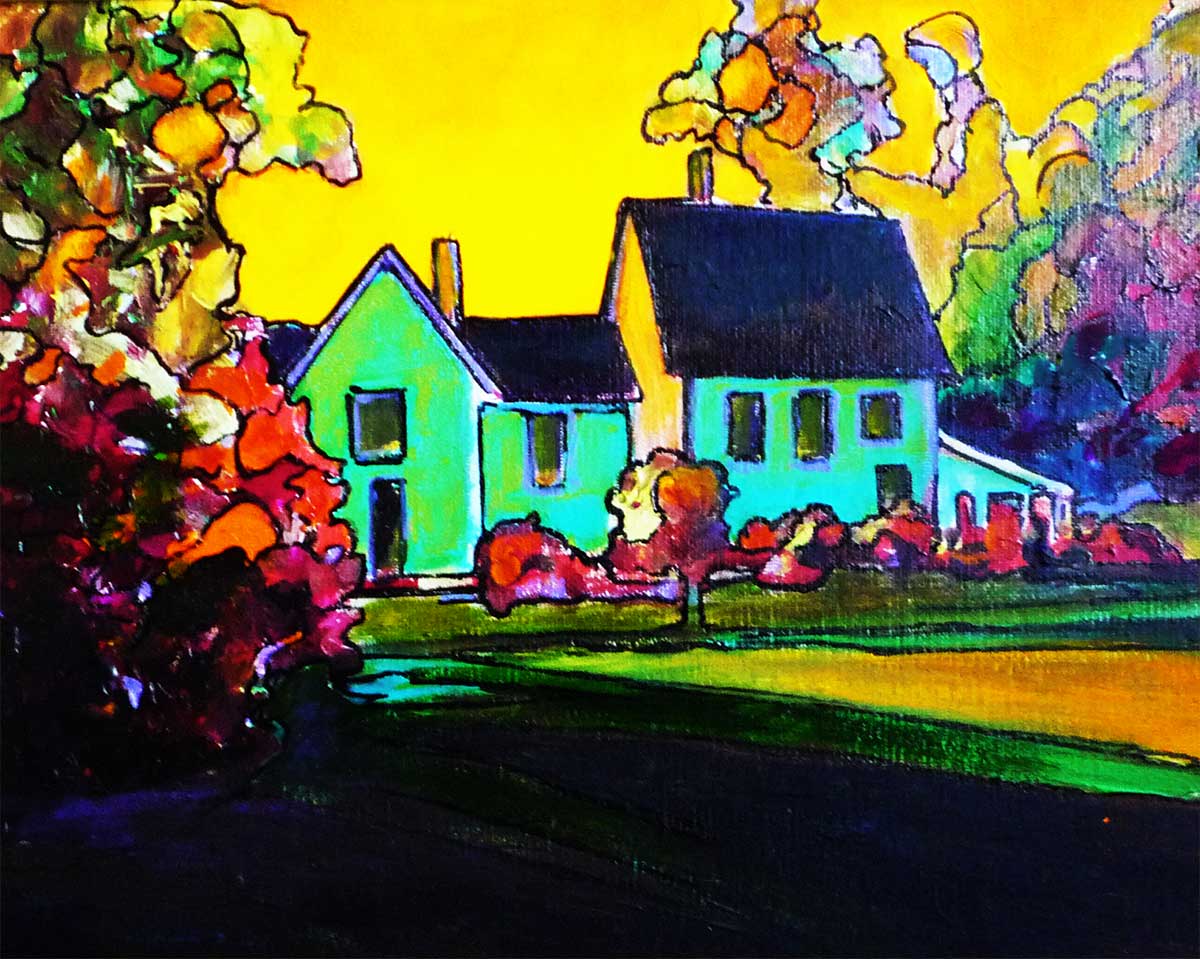
I consider drawing and painting a form of visual reasoning. They are powerful ways of learning about the world. Recent exhibitions of my work have appeared in a number of Vermont galleries and other public venues. Exhibitions in 2009 include: 1) The Cafe Gallery at Healthy Living in South Burlington, Vermont, Jan 12 through Feb 12, 2) The Fisk Farm Gallery, July 19th and 26th (see http://www.fiskfarm.com/), and 3) The Gruppe gallery in December of 2009 (http://www.emilegruppegallery.com/) . I live in South Burlington, Vermont, USA. Please feel free to contact me for more information about any of these exhibitions. I’m teaching Drawing as a Way of Knowing in the Fall semester (2010) at UVM.
Here is a review of my recent exhibition at the Gruppe Gallery from the Art Review section of Seven Days:
Good Chemistry
Art Review: Michael Strauss at the Emile A. Gruppe Gallery, Jericho. Through January 17.
By Amy Rahn [12.22.09]
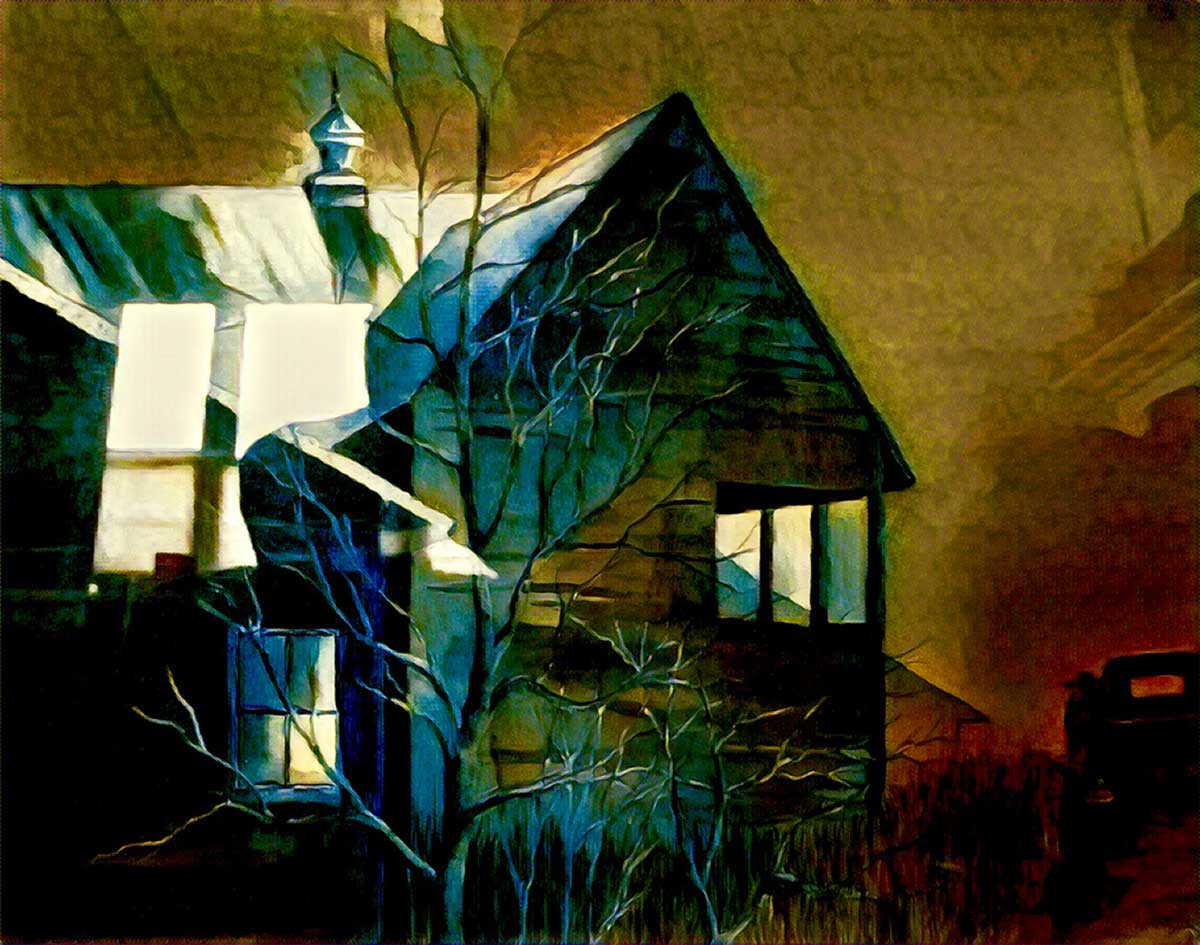
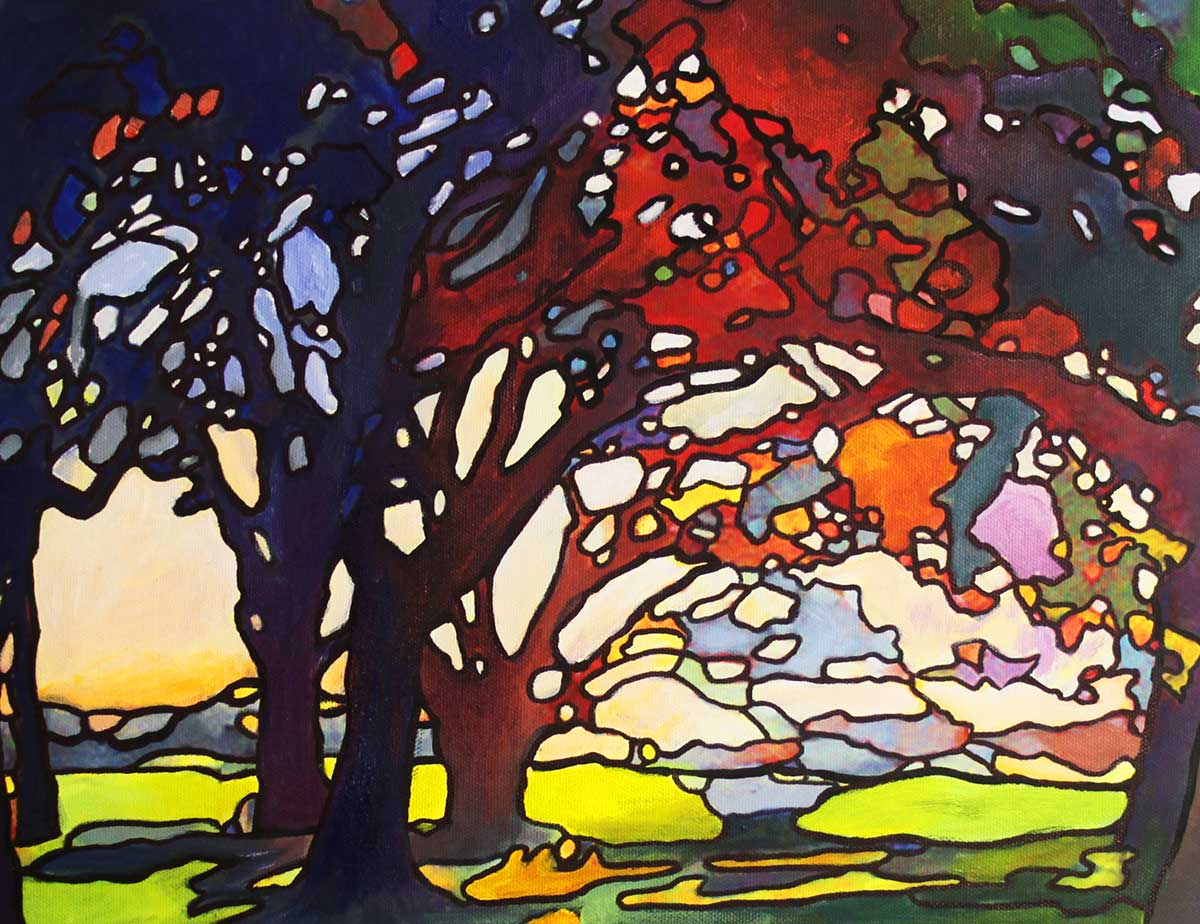
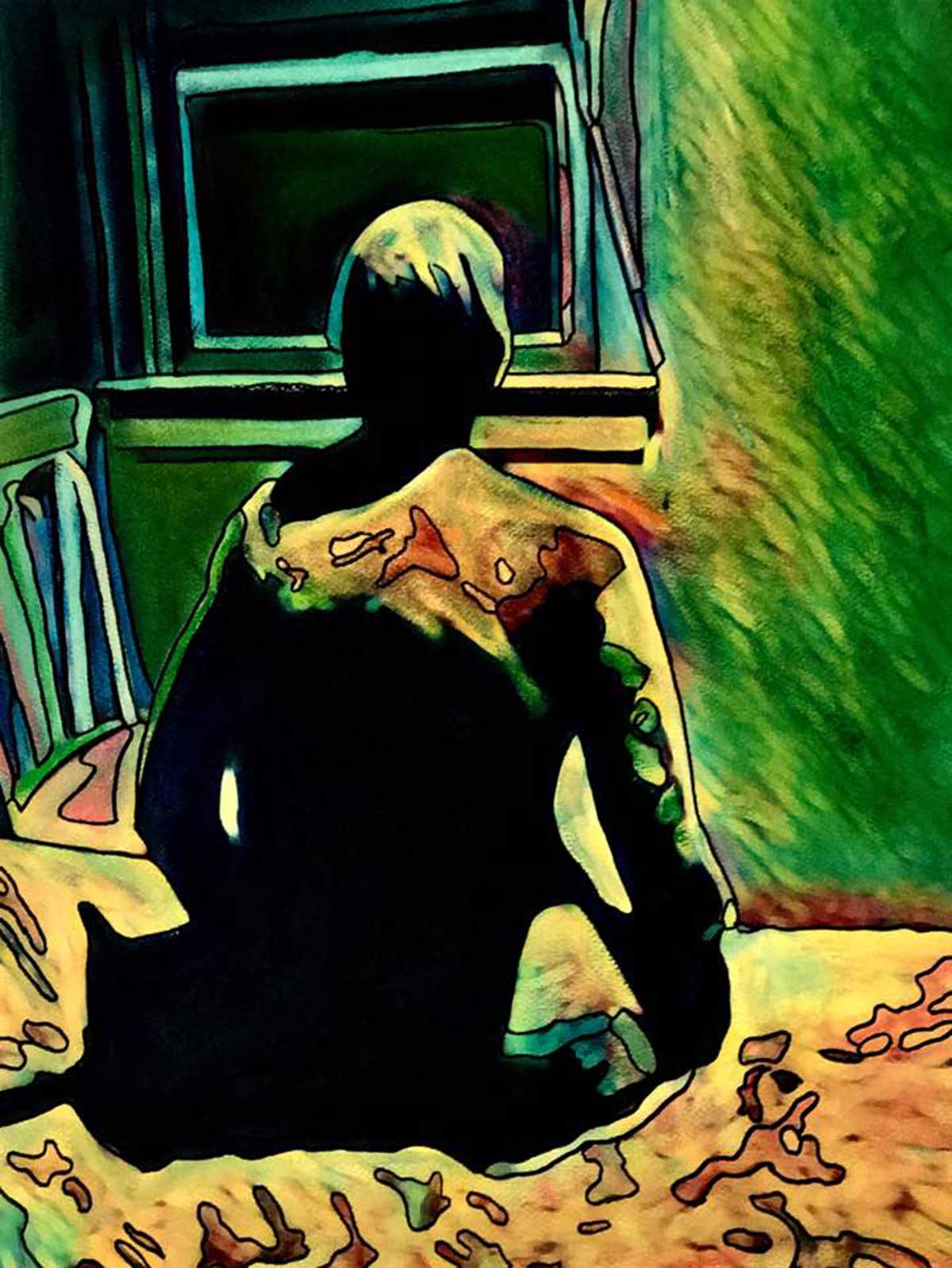
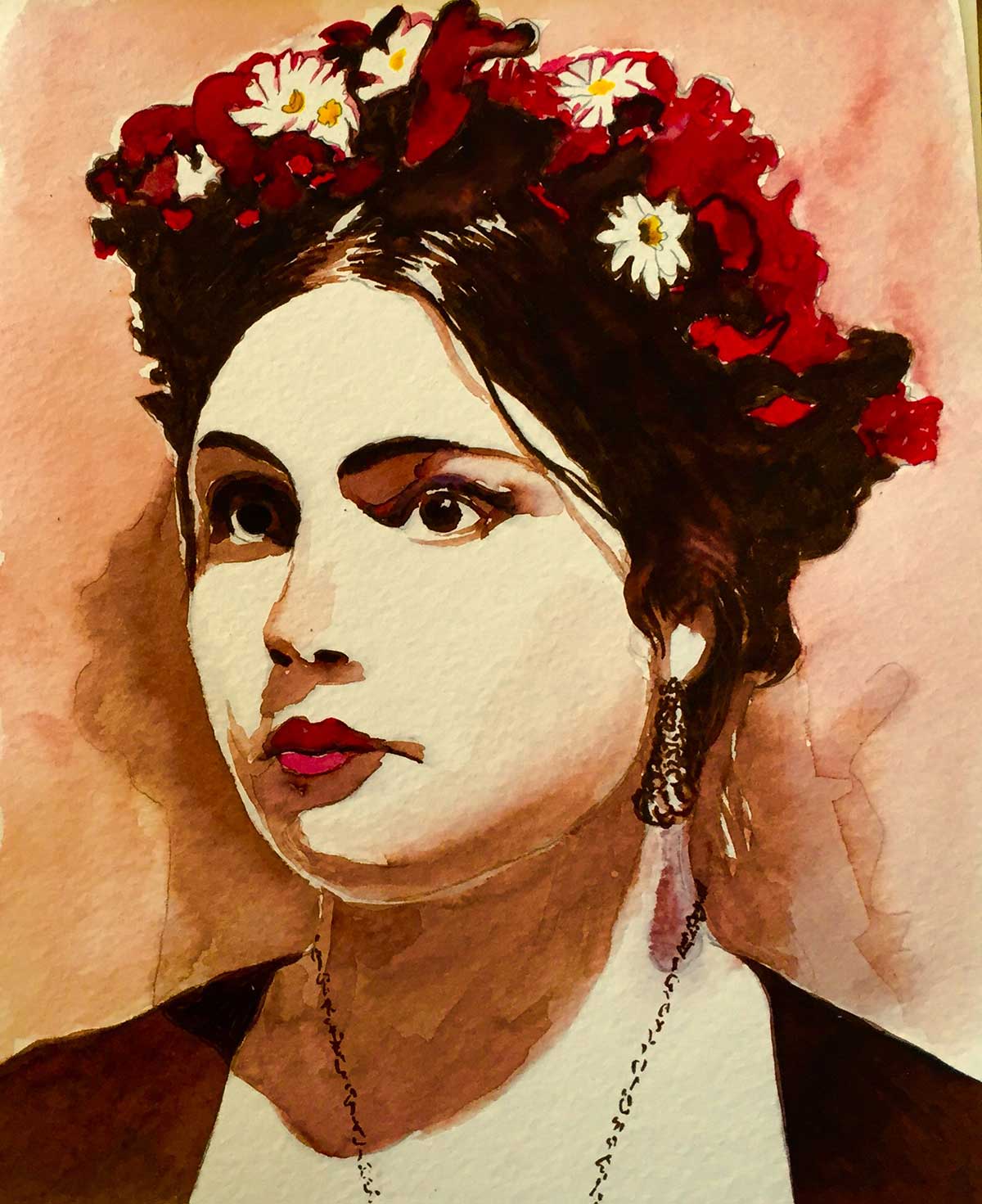
Michael Strauss’ watercolors, acrylics and oils fill a warm, paneled section of Jericho’s Emile A. Gruppe Gallery with color. Strauss is a professor at the University of Vermont with a long history as a chemist and a growing résumé as an artist. His exhibition combines works in different media and genres and demonstrates a versatile and evolving style.
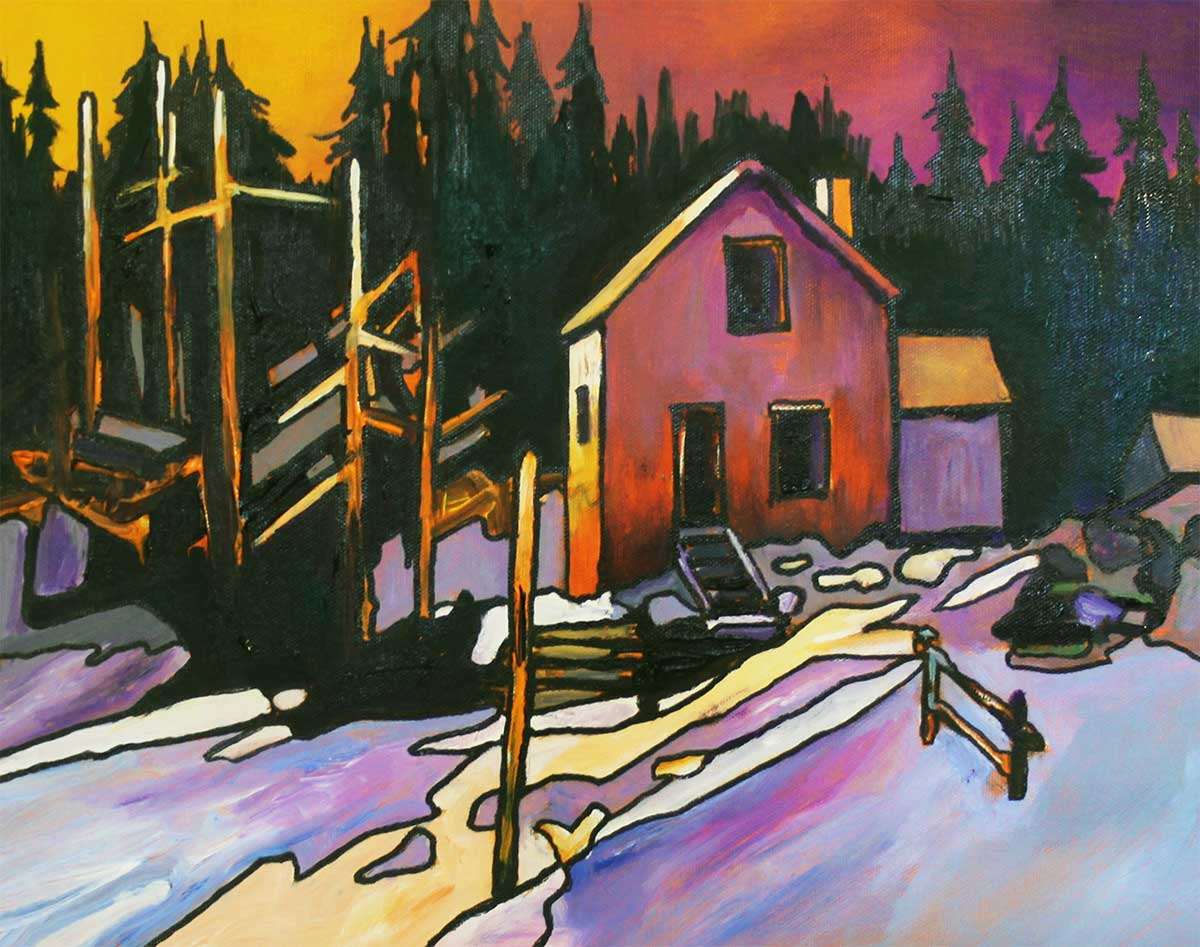
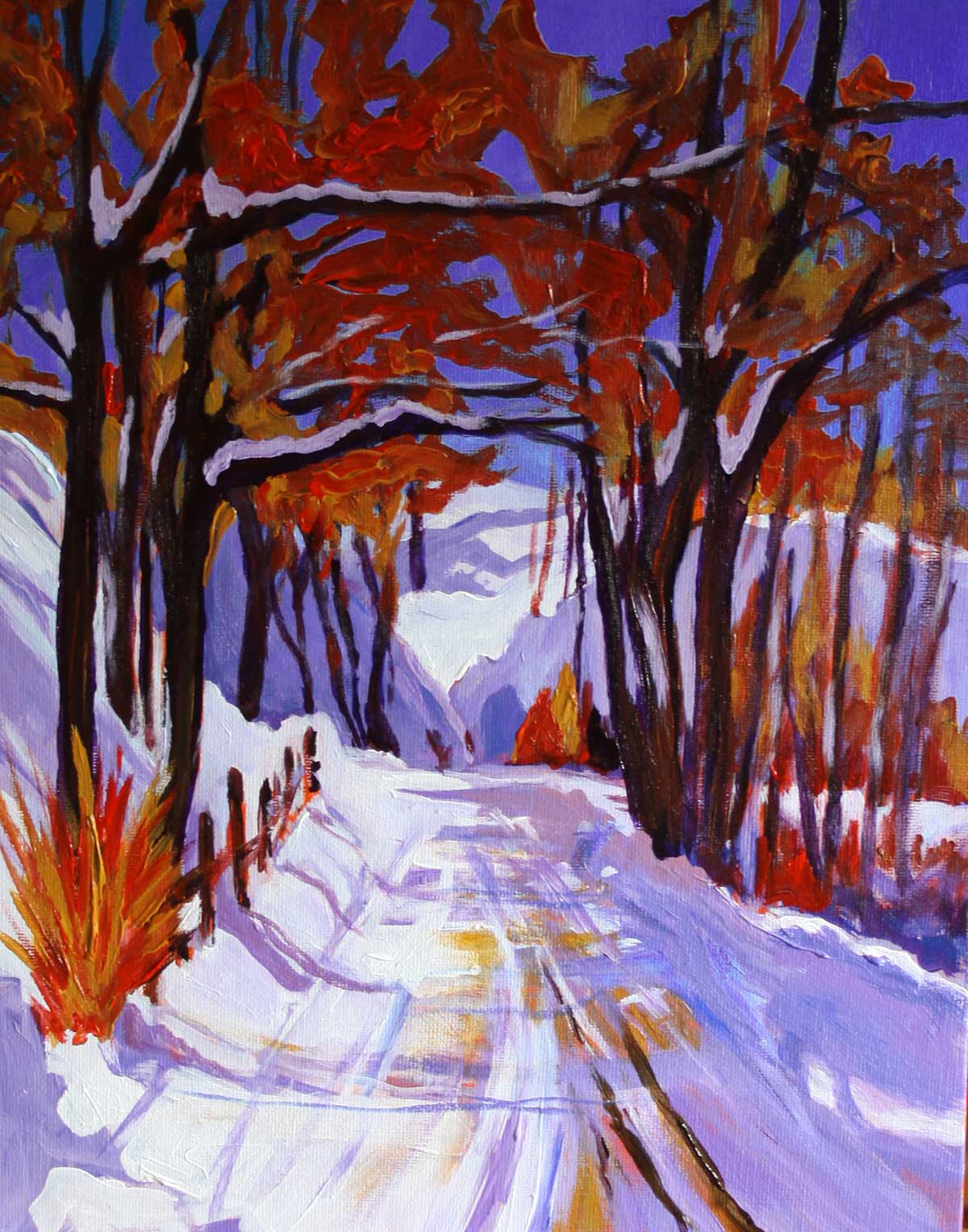
At the entrance of the gallery, a wall filled with snowy watercolors catches the eye. In “Jericho Farm,” tawny stubble pokes through a blanket of snow sweeping back to an angular farmhouse in midnight blue. A plume of pale gray smoke floats across an imposing line of deep blue, craggy trees. The palette of the piece — blues, lavenders, grays and browns — simultaneously suggests cold and the low-slung winter sun. Each element leads to the next, drawing the eye over the snowy hills and into the dark trees beyond.
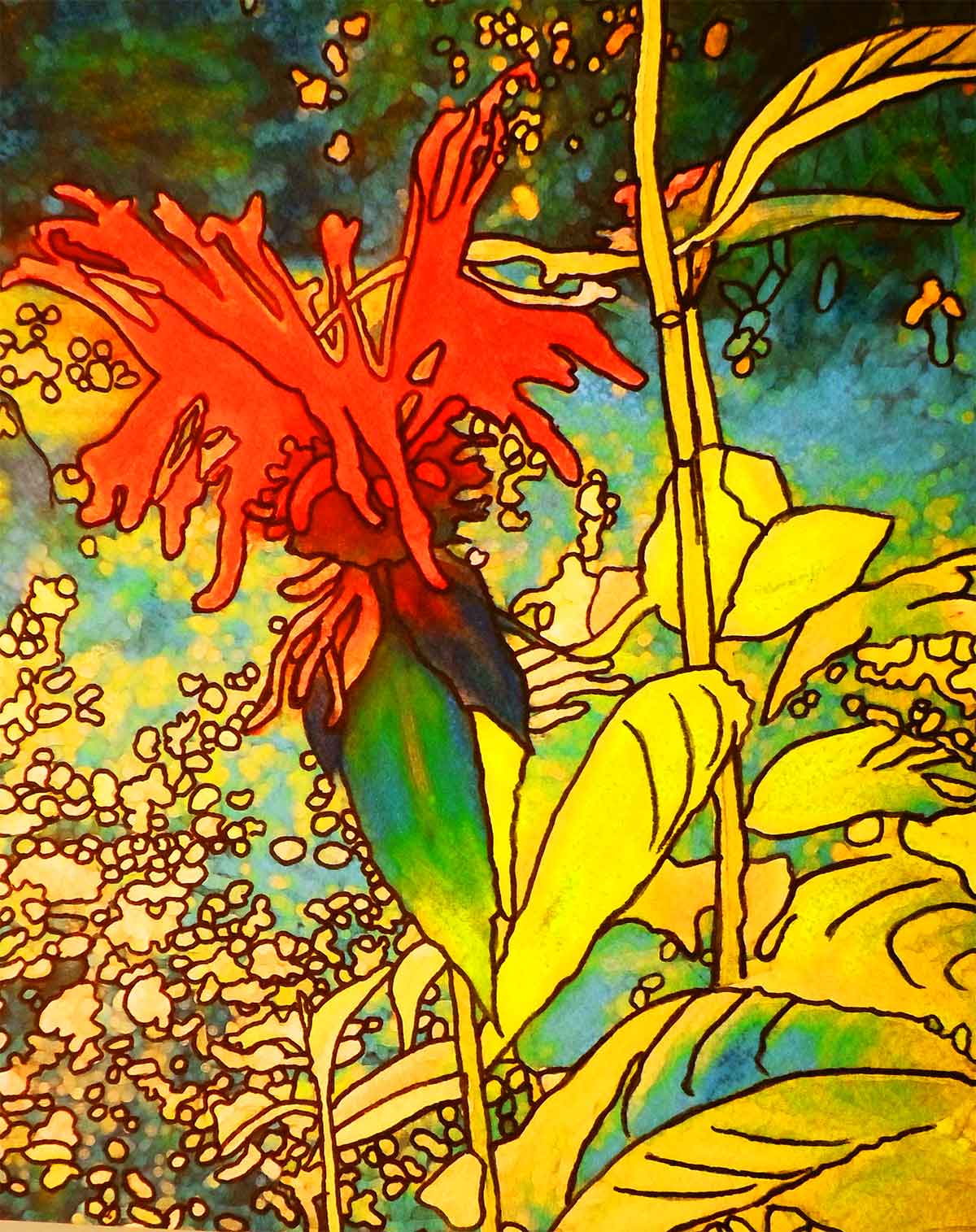
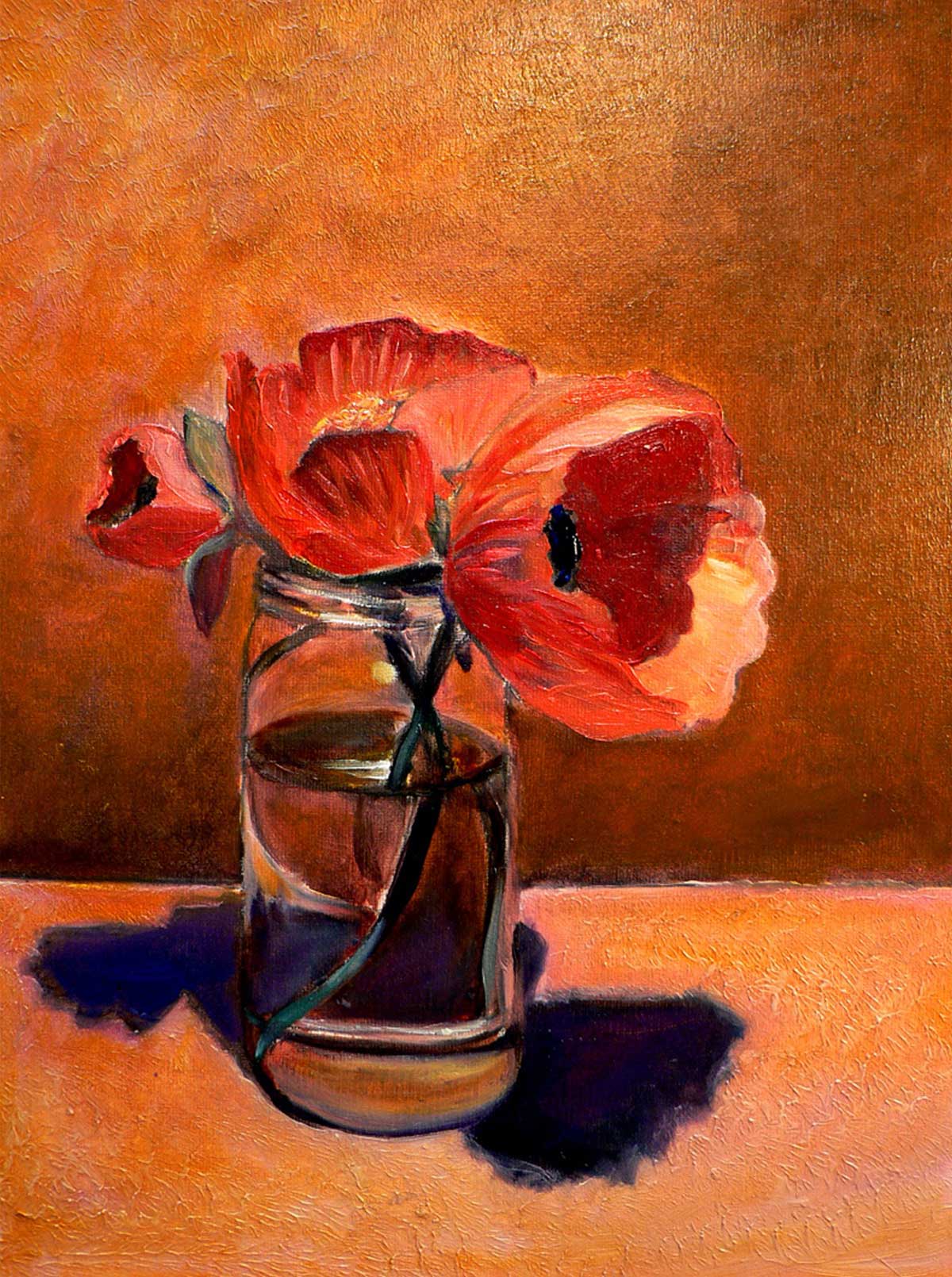
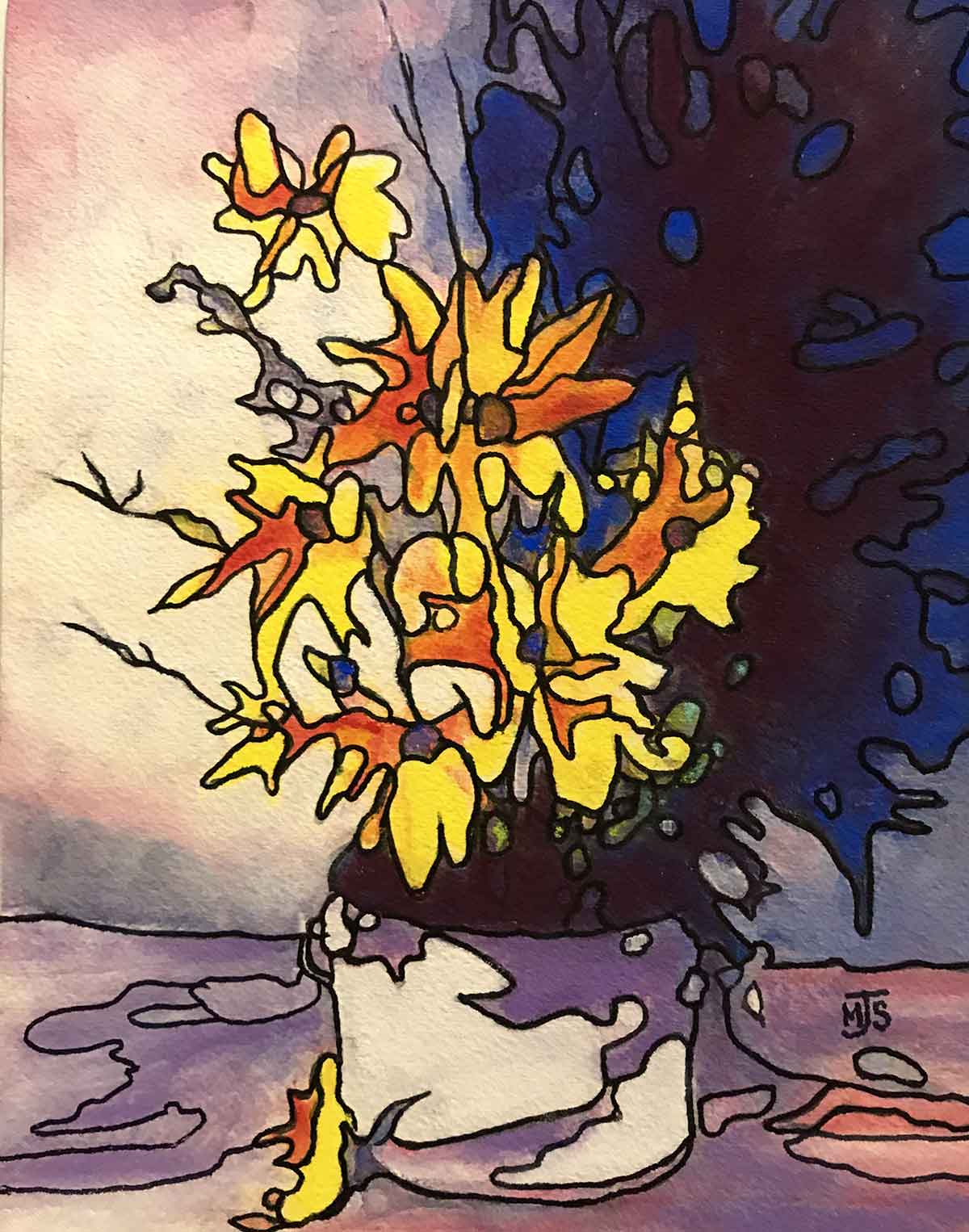
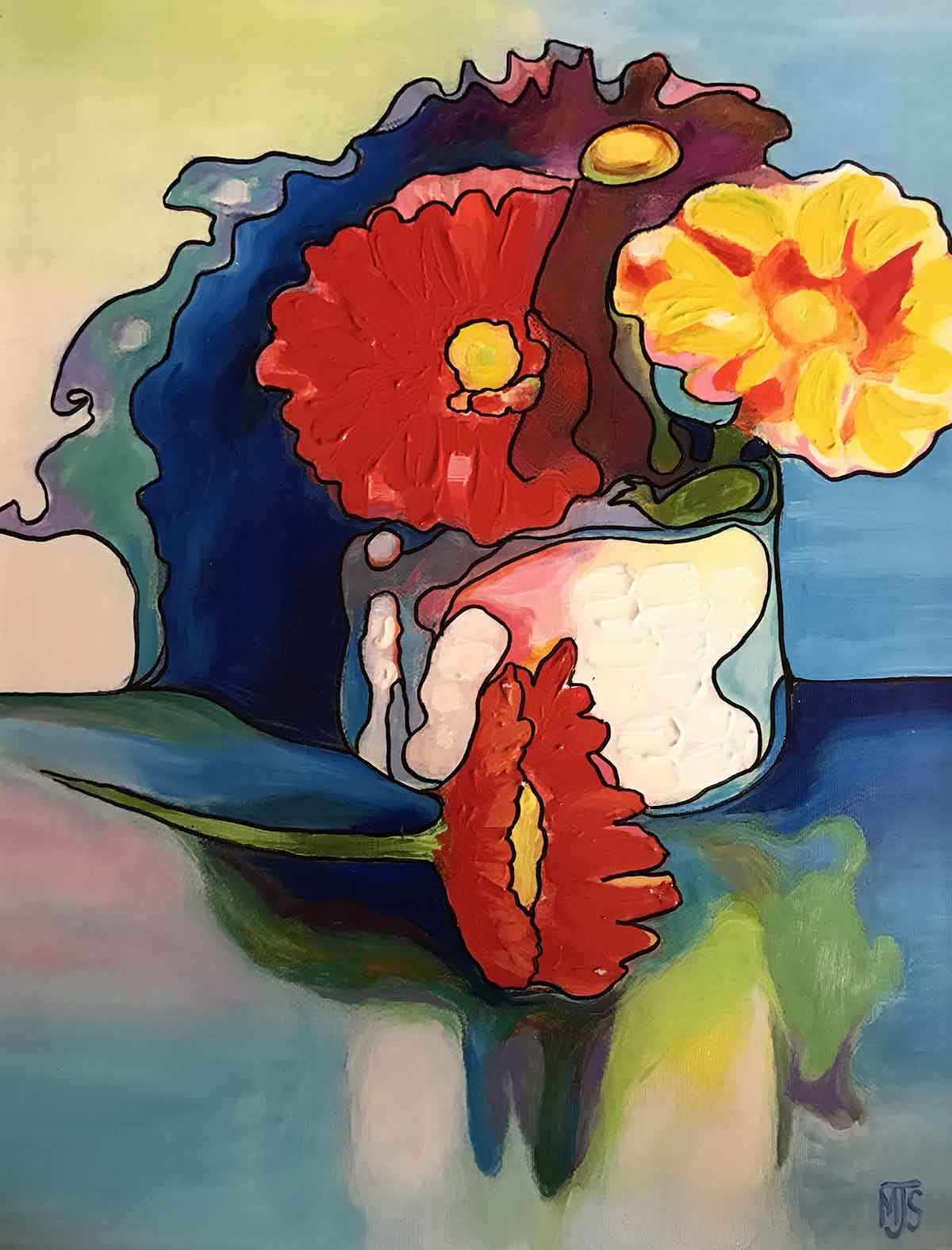
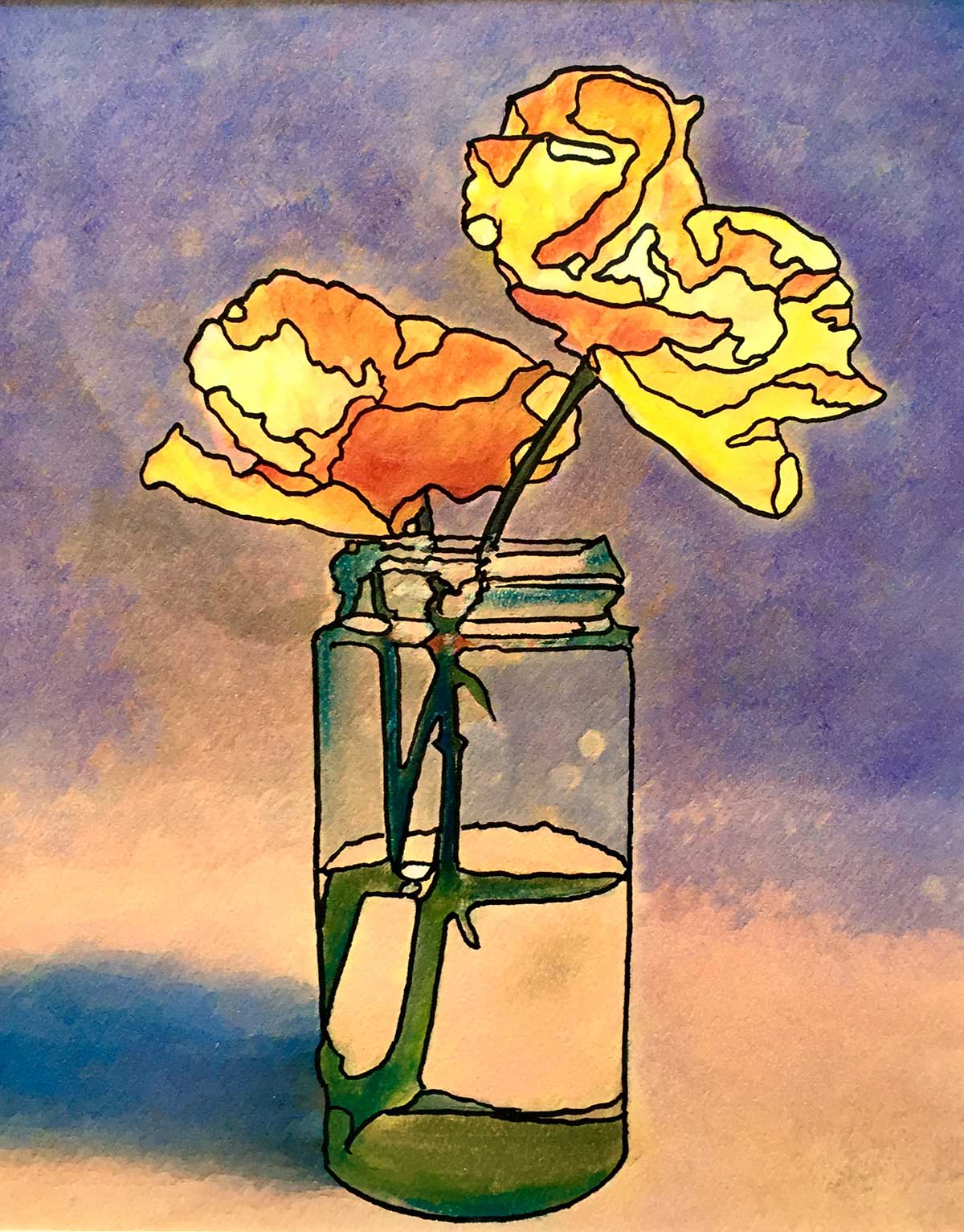
Adjacent to the watercolors is a group of floral still-life oil paintings. “Red Flower in a Glass Jar” stands out with its creamy oranges and red. A crimson poppy with papery petals leans heavily over the edge of a glass while other flowers jostle behind, their edges slightly blurred against the painting’s background. Despite its adherence to conventions of the classic still-life genre, the painting looks fresh and lively.
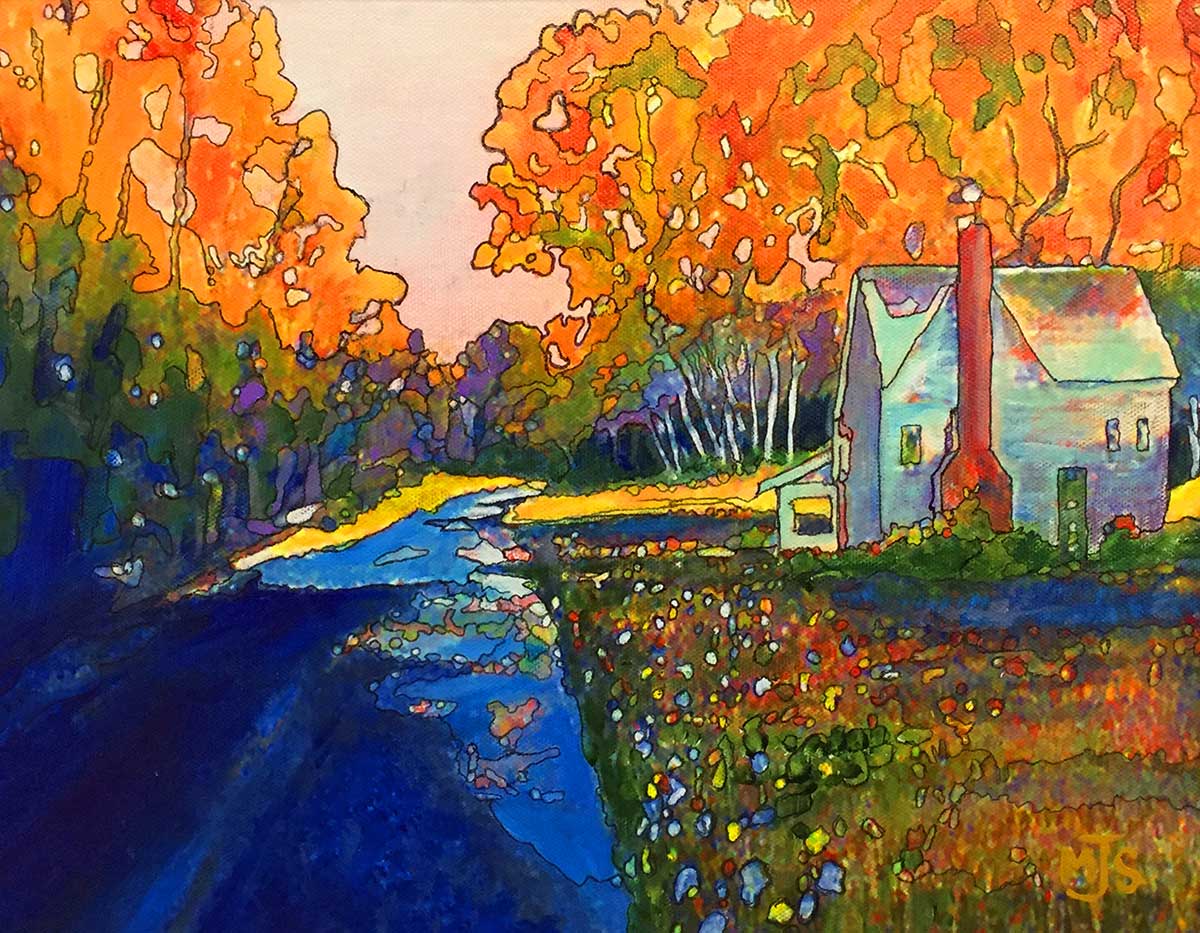
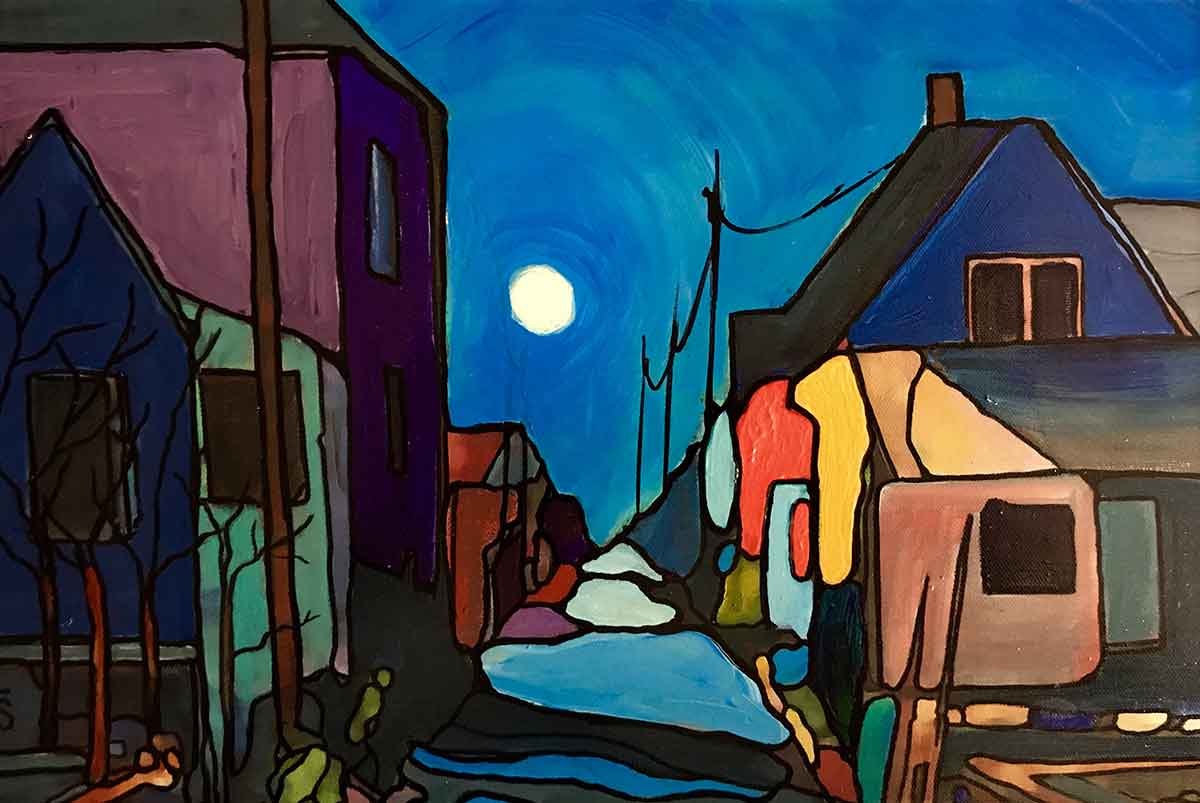
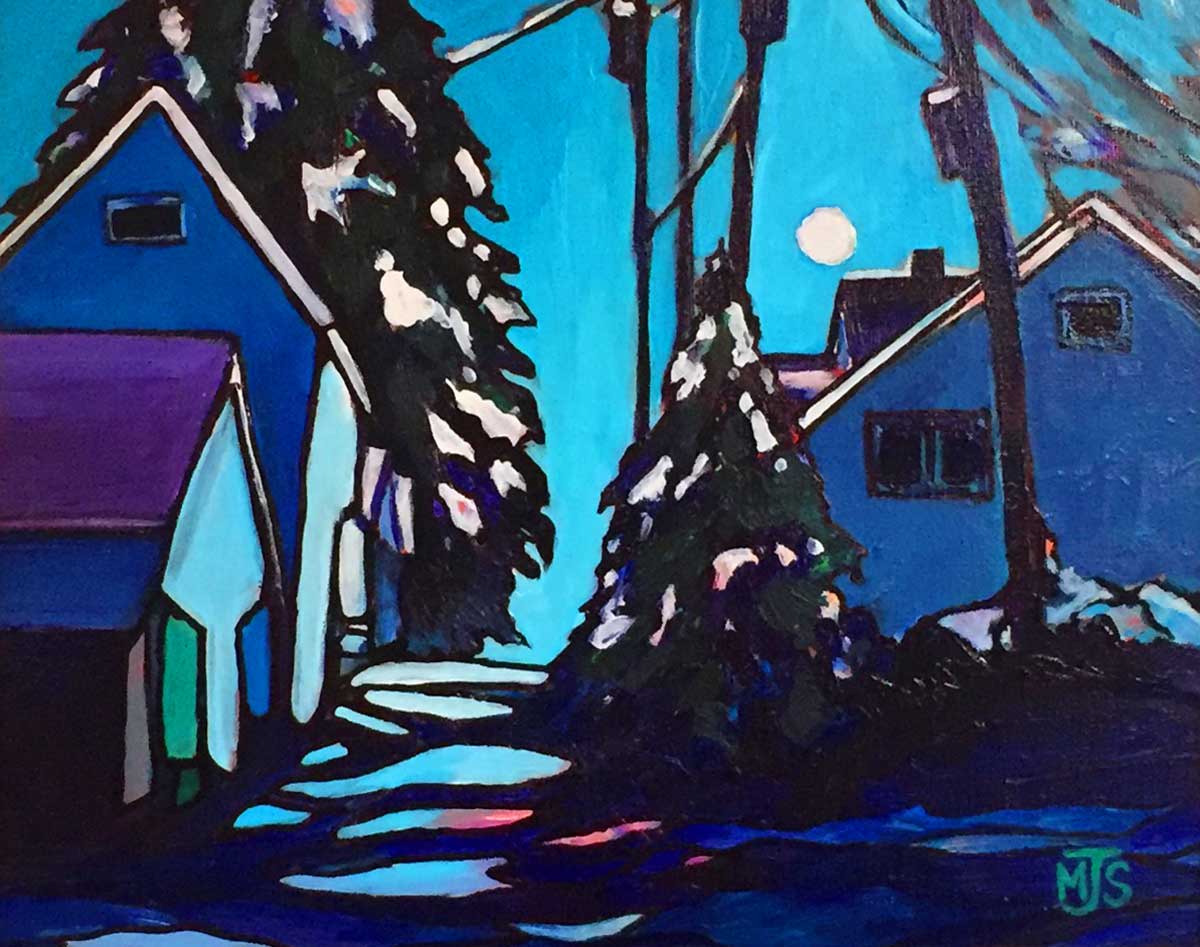
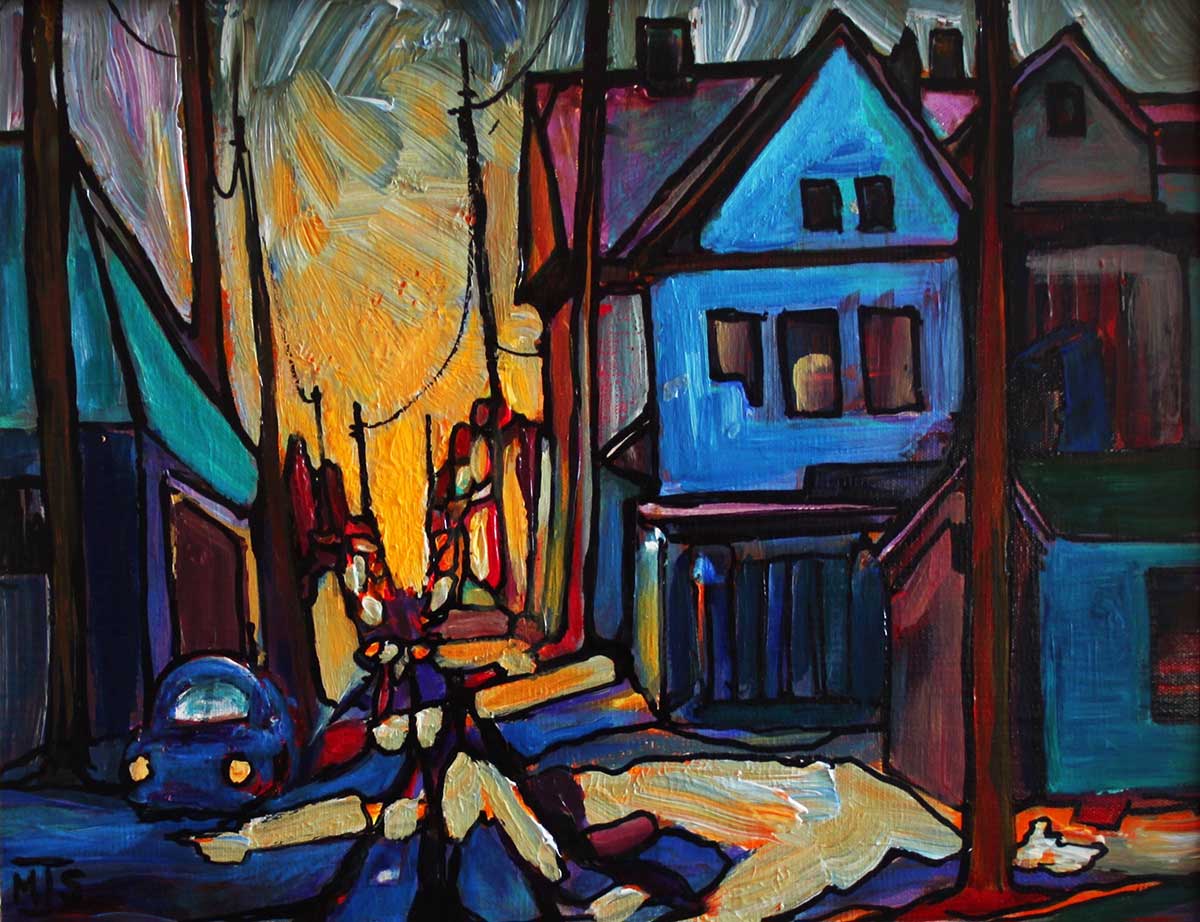
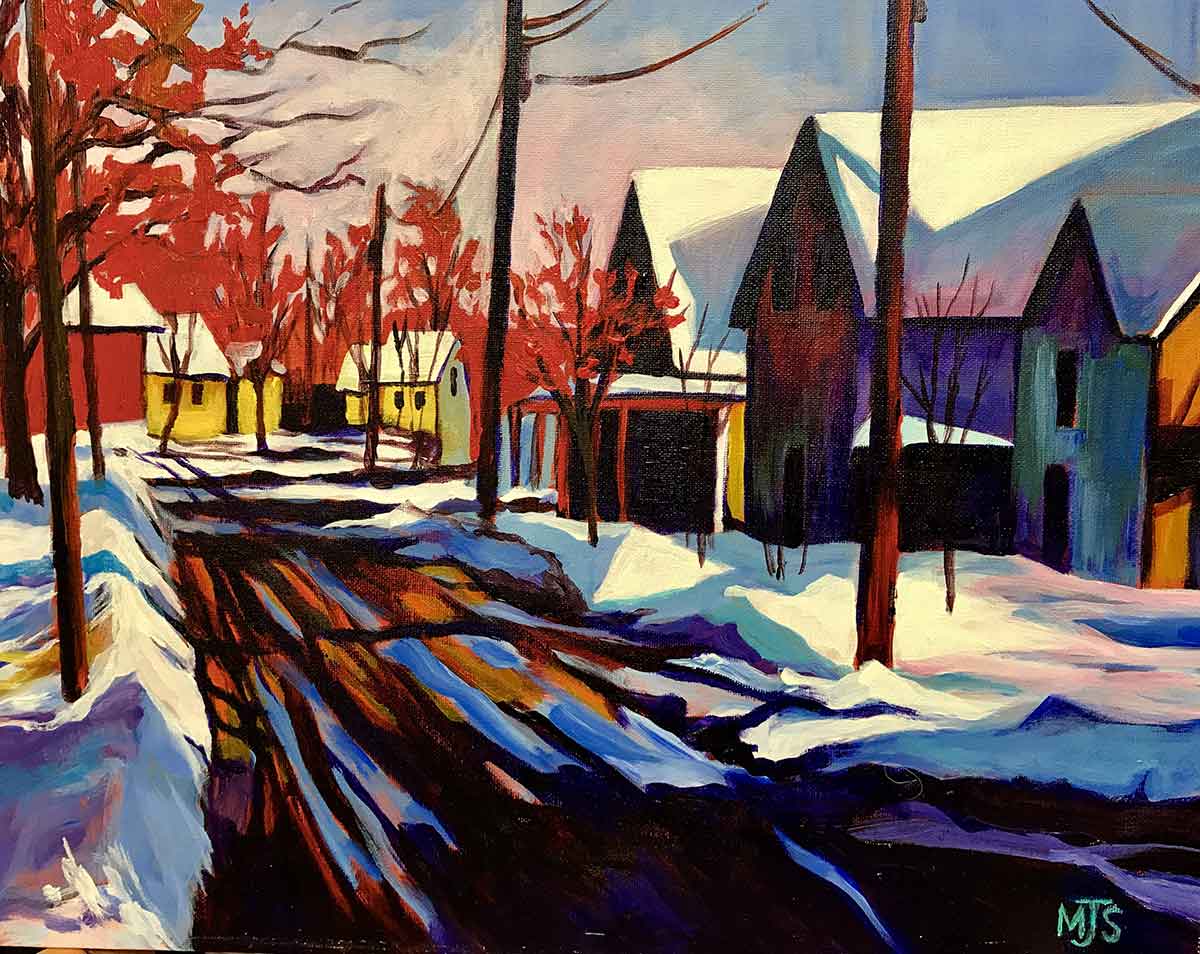
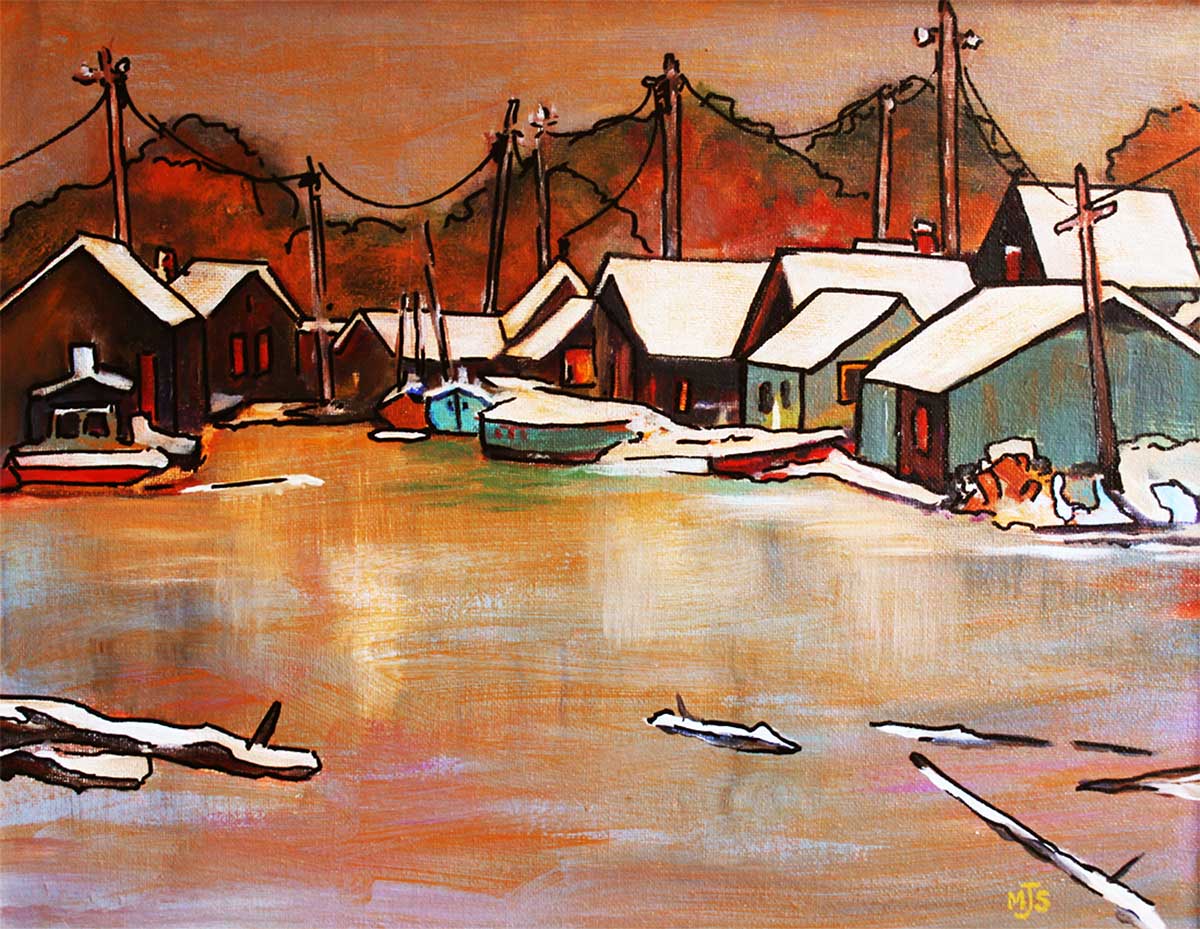
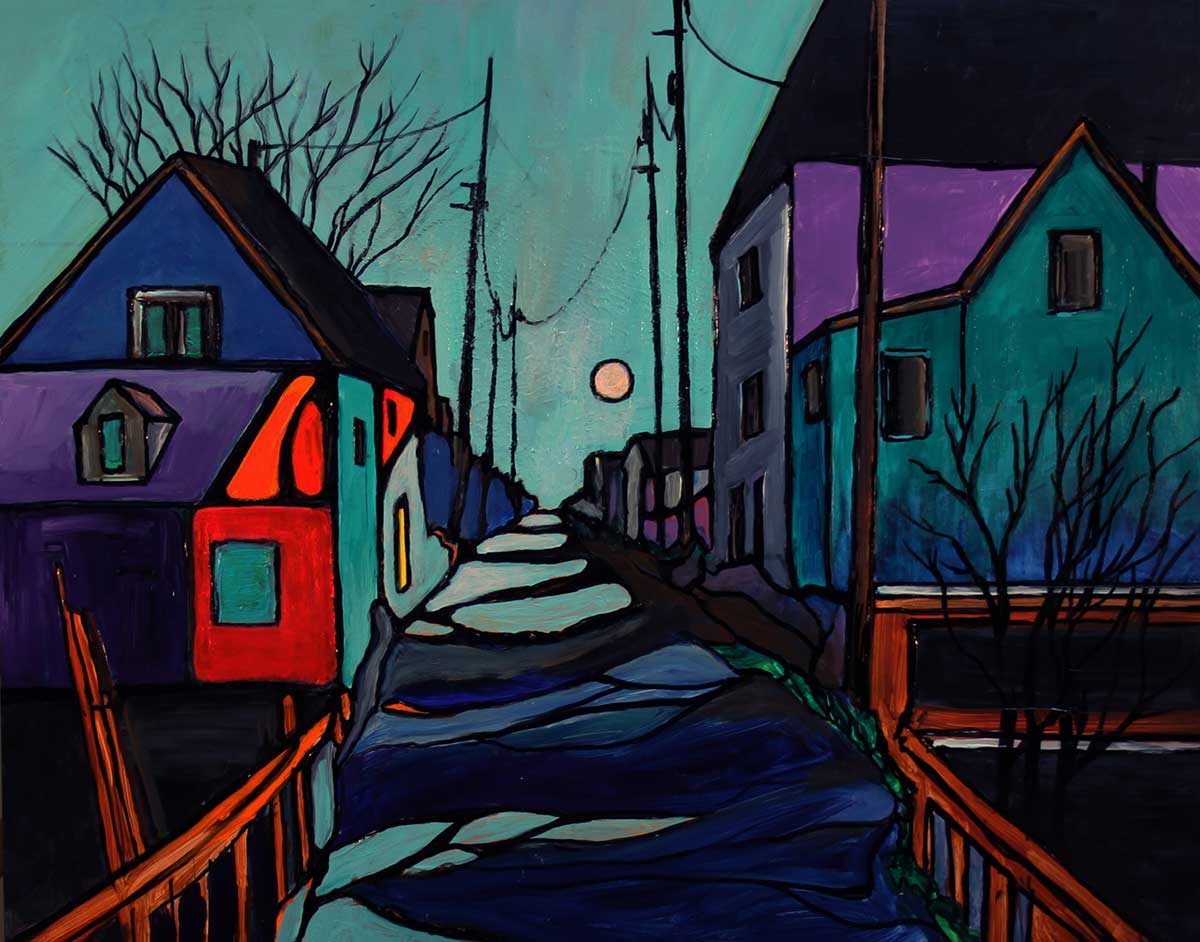
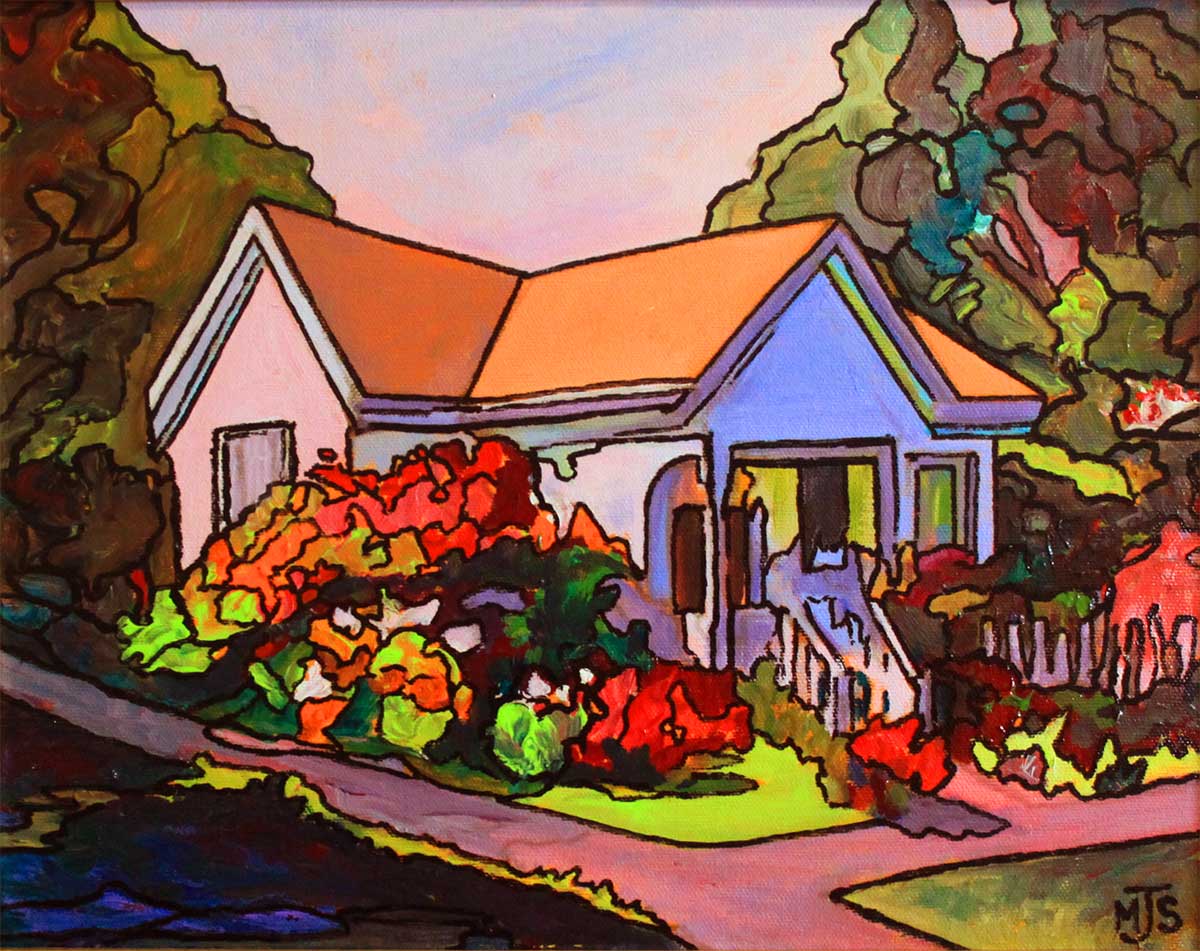
In an adjoining section, bright, primary-colored works point to the influence of the California colorists — Strauss originally hails from that state. “North End Spring Snow” shows the dueling influences of the Golden and Green Mountain states; flat blocks of color give way to painterly snow swishing down an alleyway. Strauss seems enamored of color and aware of its temperatures. In this section, he tunes the Vermont scenes up in California brightness and down in degrees Fahrenheit. The effect is a kind of jubilant precision that reflects Strauss’ general approach.
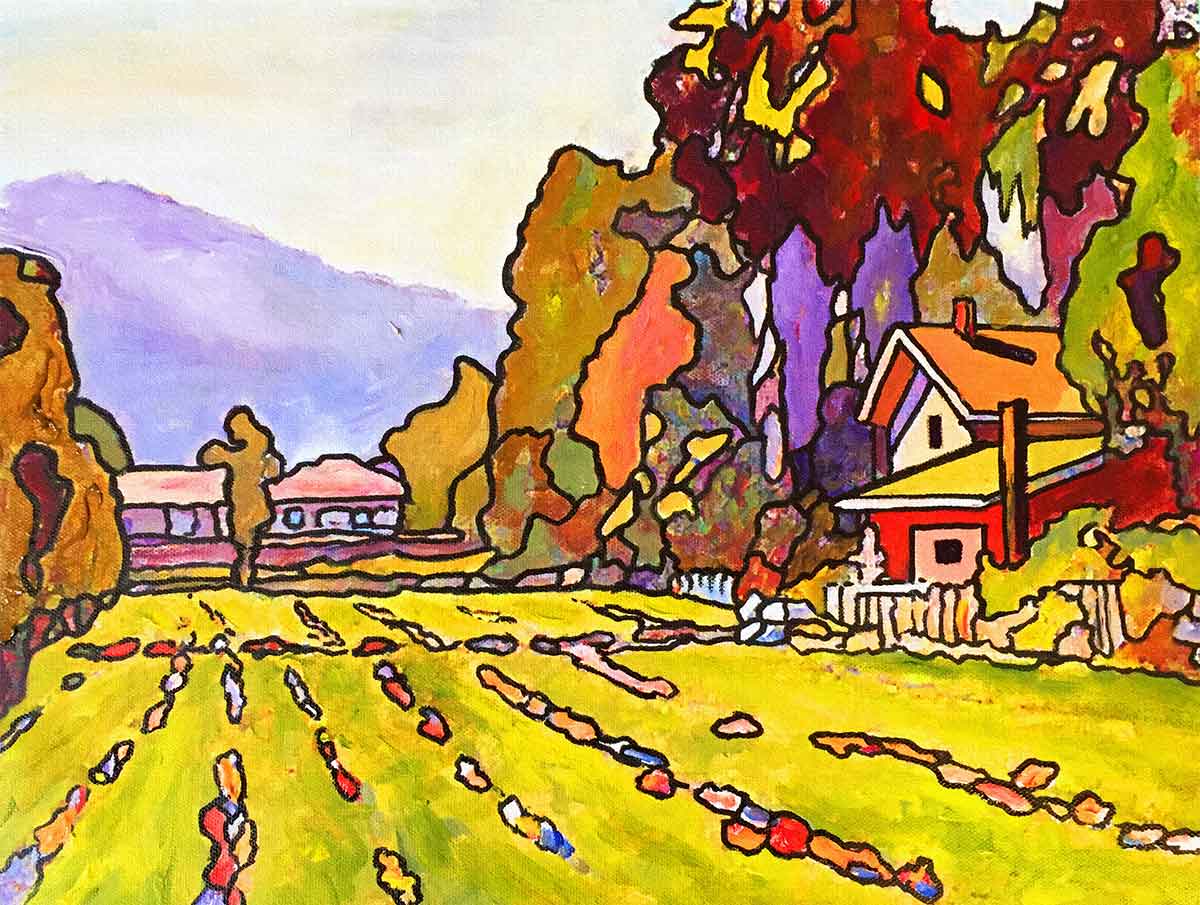
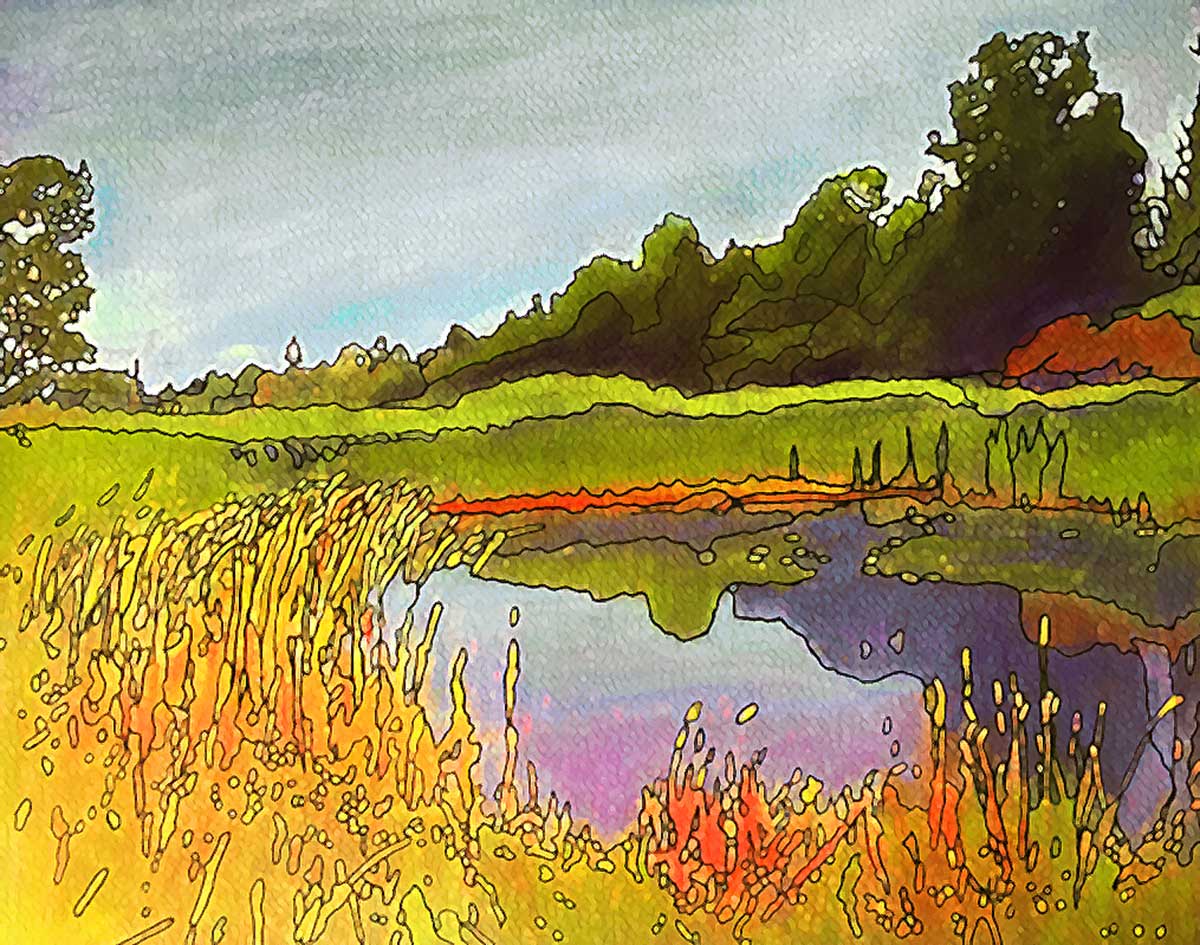
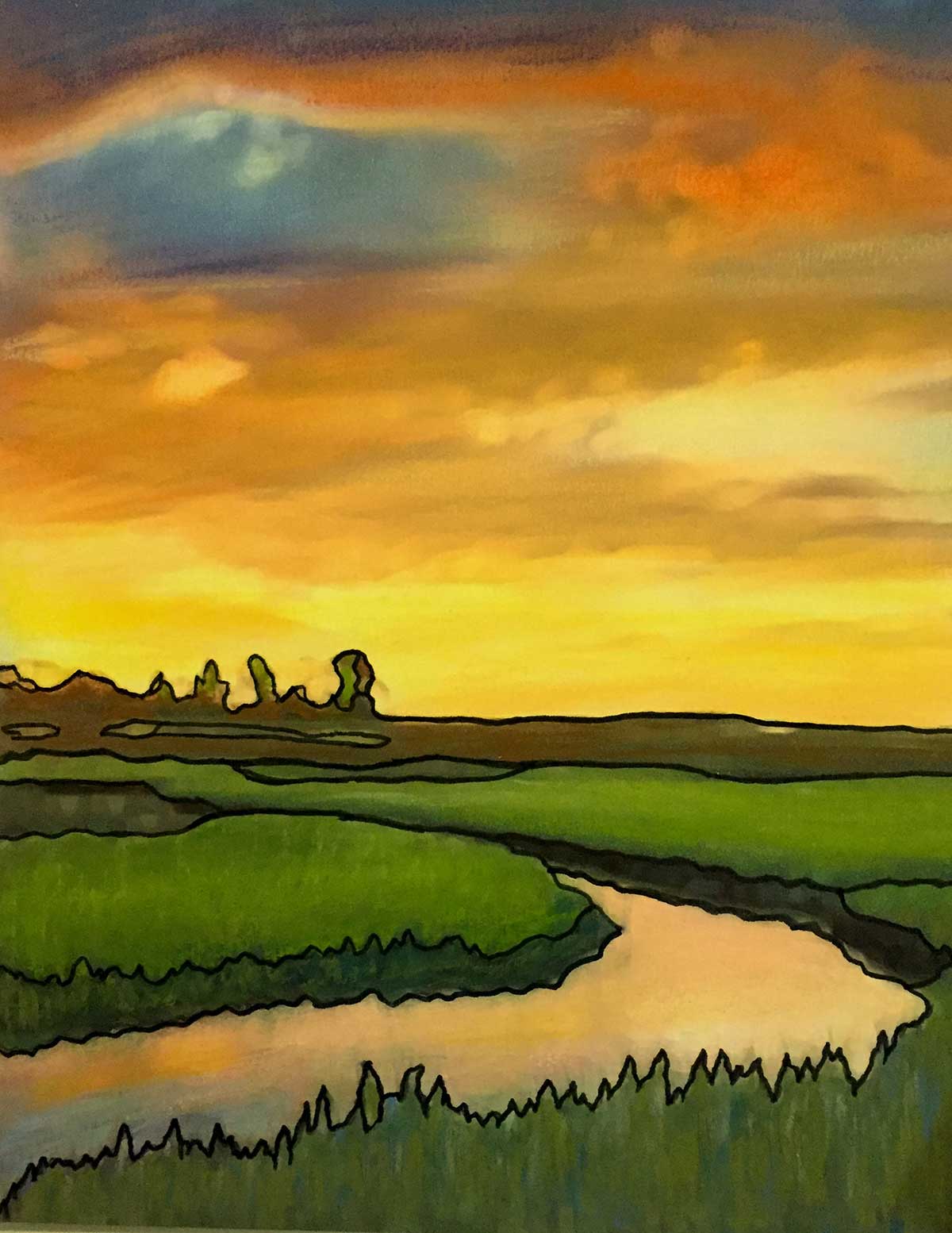
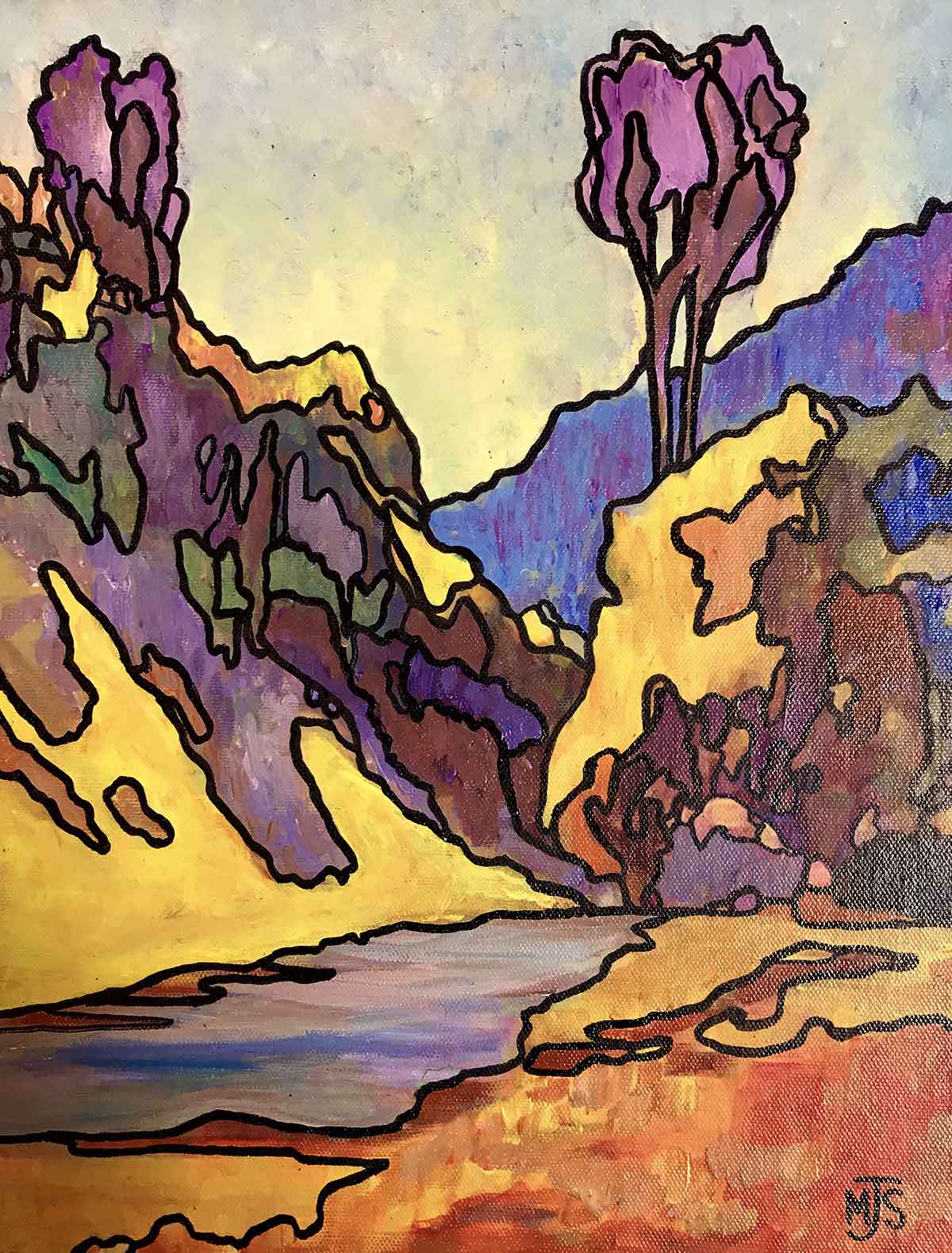
Landscapes nestle between the other genre groups, with an offbeat and luminous palette of lime green and paprika orange. A pair of Strauss’ rural Vermont landscapes use saturated color to draw the viewer into the scene. Red grasses take the foreground, giving way to orange fields that stretch back to periwinkle mountains perched over white farmhouses. The movement from warm to cool colors is also a progression from foreground to background.
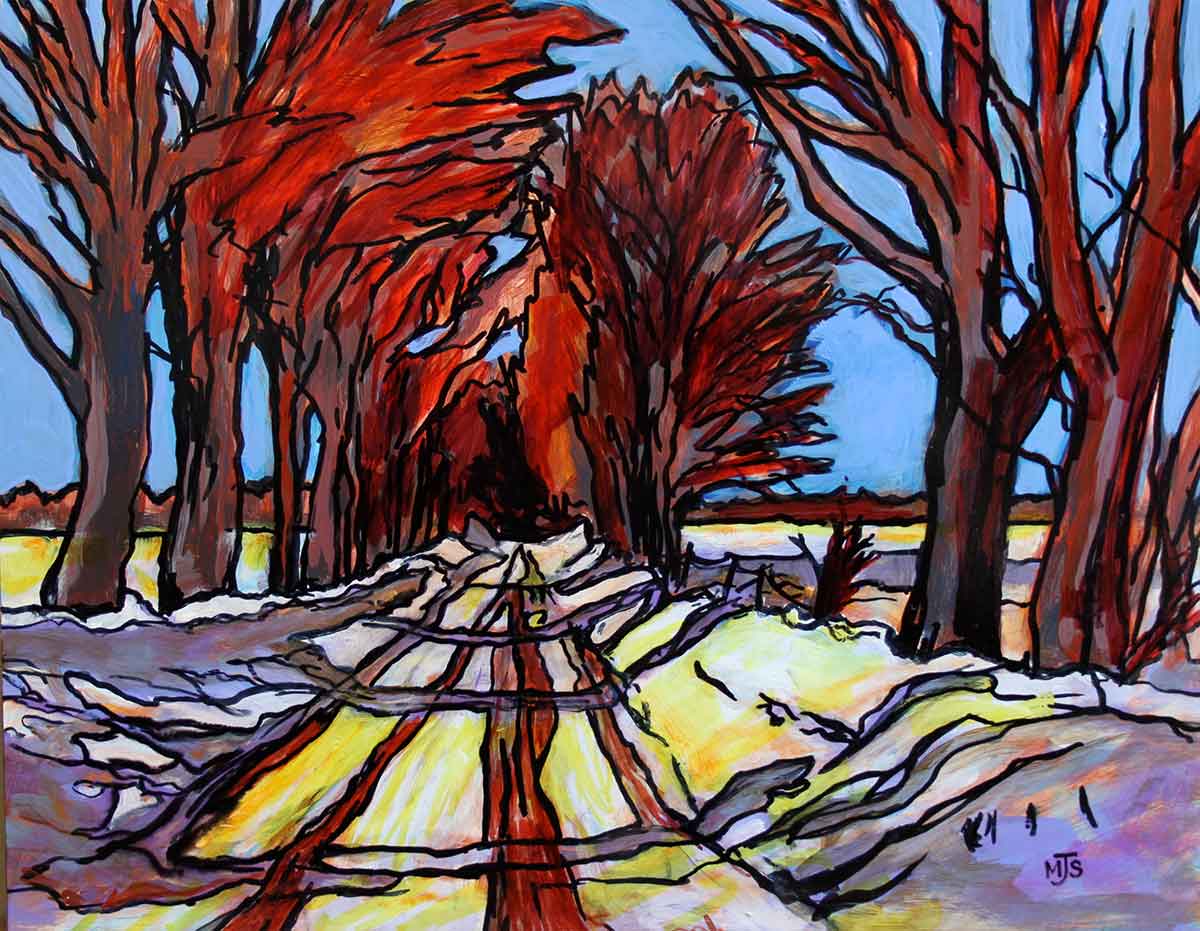
Strauss’ landscapes are not always so cheery. In “Cheesefactory Road,” fiery orange trees cast long shadows over a chartreuse meadow, creating a sense of fleeting drama that borders on the ominous. The moody work has an otherworldly feel.
The works in the show span an impressive range of genres and media, though with various degrees of success. At his best, Strauss creates with gusto, skill and a keen eye. These works suggest his experimentation in the studio might someday rival his triumphs in the laboratory.